
Urban Design
Focuses on the design of streets, neighborhoods, and public spaces. Includes placemaking, landscape urbanism, walkability, and human-centered environments.
-
Against the Retroactive Manifesto: Delirium as Alibi
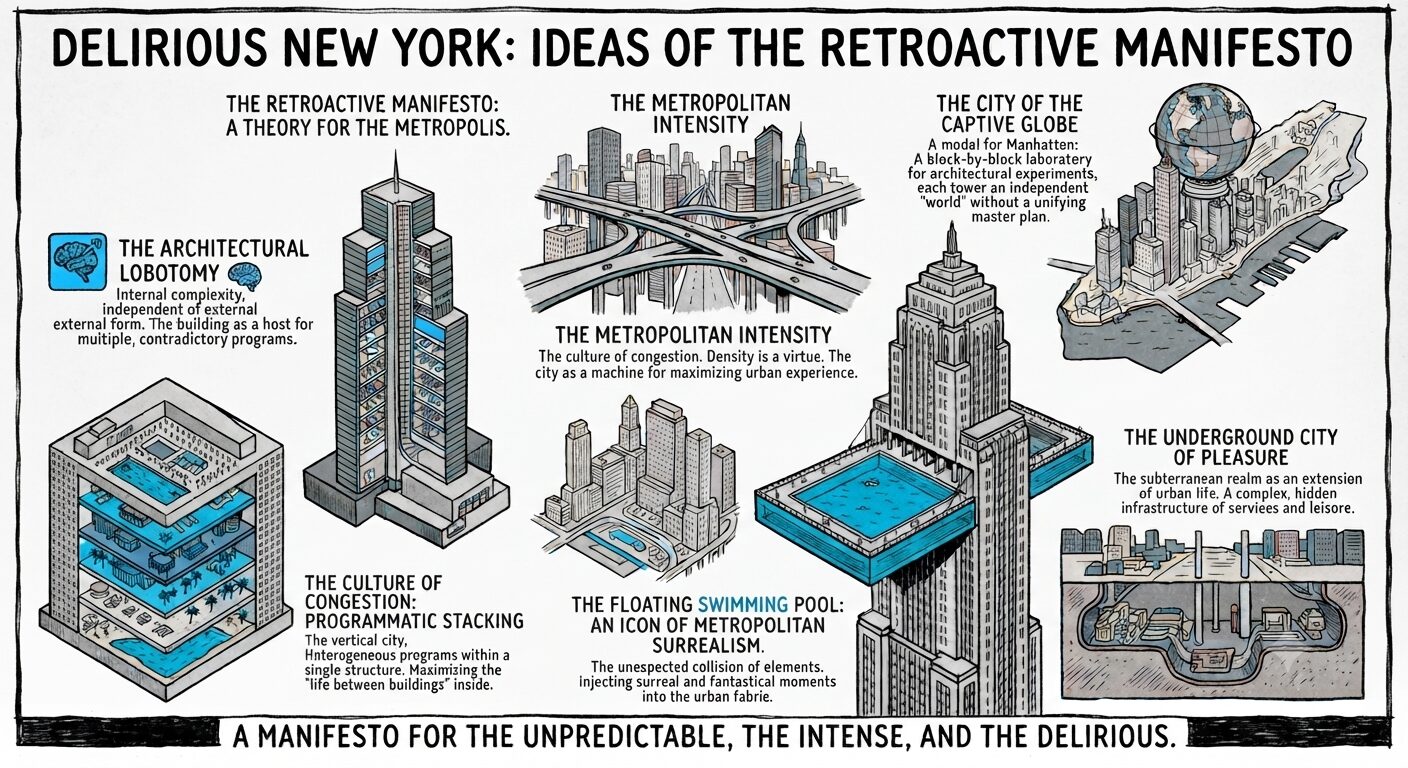
Rem Koolhaas’s Delirious New York remains one of the most influential architectural texts of the twentieth century because it rejects conventional urban planning in favor of celebrating Manhattan’s apparent chaos. Through the idea of the “retroactive manifesto,” Koolhaas argues that the city’s congestion, contradictions, and programmatic instability were not failures but the very forces that… Continue reading
-
Chelsea Waters | Architecture, Water & Urban Design
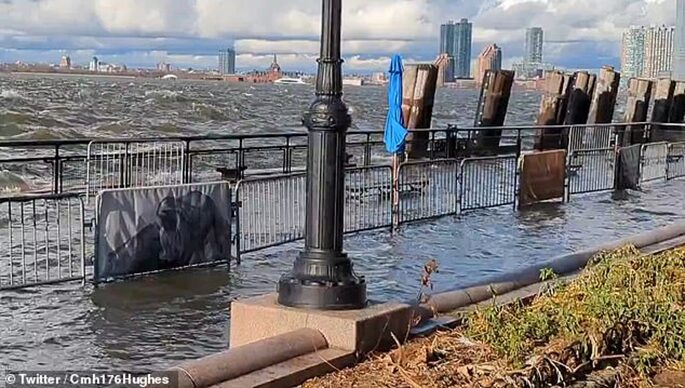
1. The Highway as a Linear Flood Barrier Big idea: the highway becomes a raised spine that blocks or slows storm surge from the Hudson. How this works Why Chelsea is suited for this Urban design effect:You don’t see a wall — you see planted slopes, seating edges, bikeways, and subtle grade changes doing flood… Continue reading
-
Distribution of Housing Types and Hybrid Mix
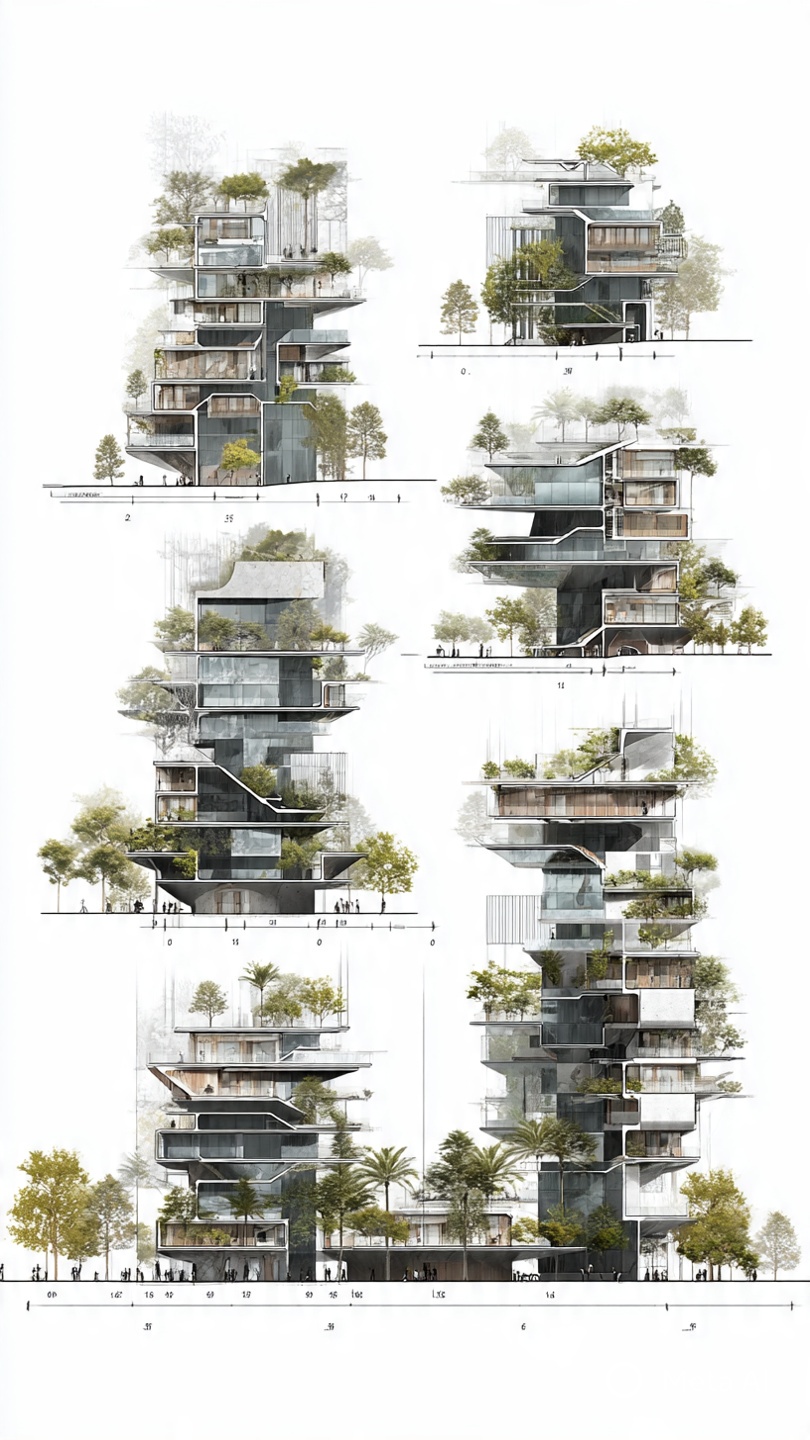
Housing Model — Hudson Hotel, 357 West 57th Street, Manhattan The housing model for the former Hudson Hotel reimagines the site as a hybrid residential and civic ecosystem, transforming a single-use hospitality building into a mixed-tenure, mixed-use housing framework that responds to Midtown West’s affordability pressures, transient populations, and service-worker displacement. Housing types are deliberately distributed… Continue reading
-
Rethinking the Brooklyn Marine Terminal
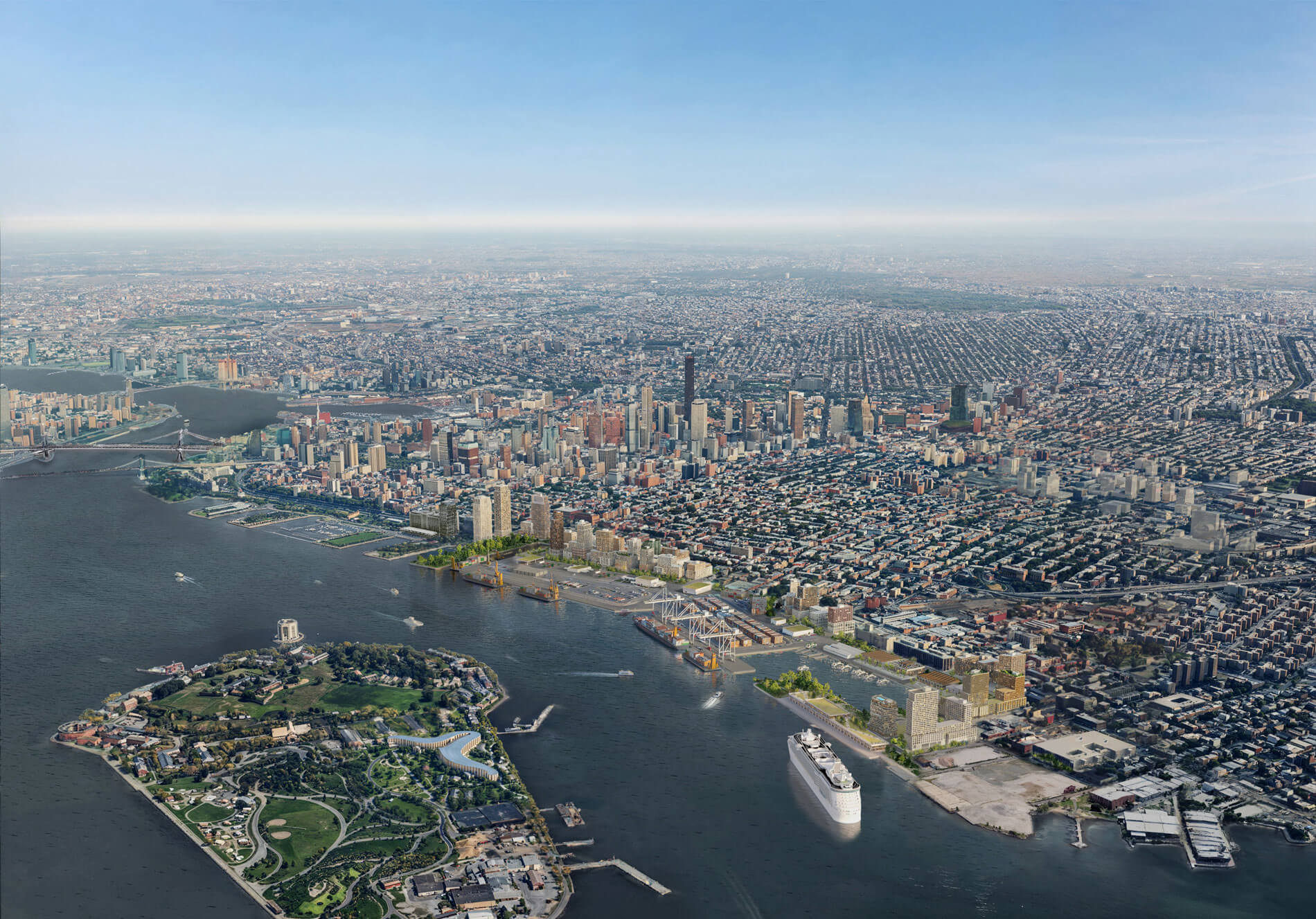
A Critique of the Vision Plan Abstract The recently approved Brooklyn Marine Terminal (BMT) Vision Plan represents one of New York City’s most ambitious waterfront redevelopment initiatives of the early twenty-first century. The plan integrates maritime modernization, mixed-income housing, public open space, and climate resilience strategies within a 122-acre site at the confluence of Red… Continue reading