
NYC
-
Small, Shared, and Repurposed: Reimagining Housing for 21st-Century New York City
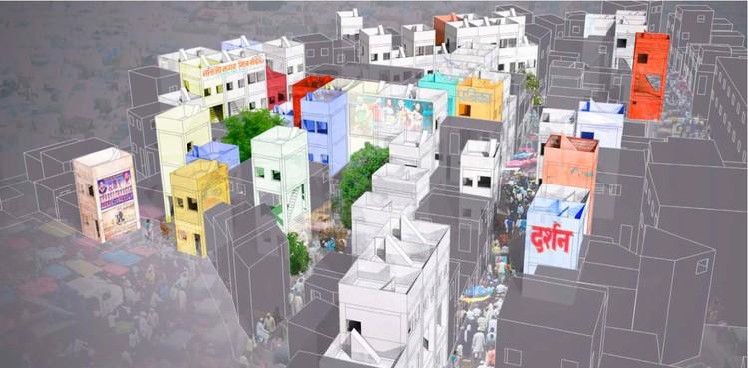
Introduction New York City’s affordable housing crisis is one of the most pressing challenges facing any global city in the 21st century. With median Manhattan rents exceeding $4,000 per month, tens of thousands of single adults living in shelters, and a substantial portion of the city’s housing stock inaccessible to low- and moderate-income residents, the… Continue reading
-
Accumulation by Dispossession in the Vertical City: A Harveyan Reading of New York
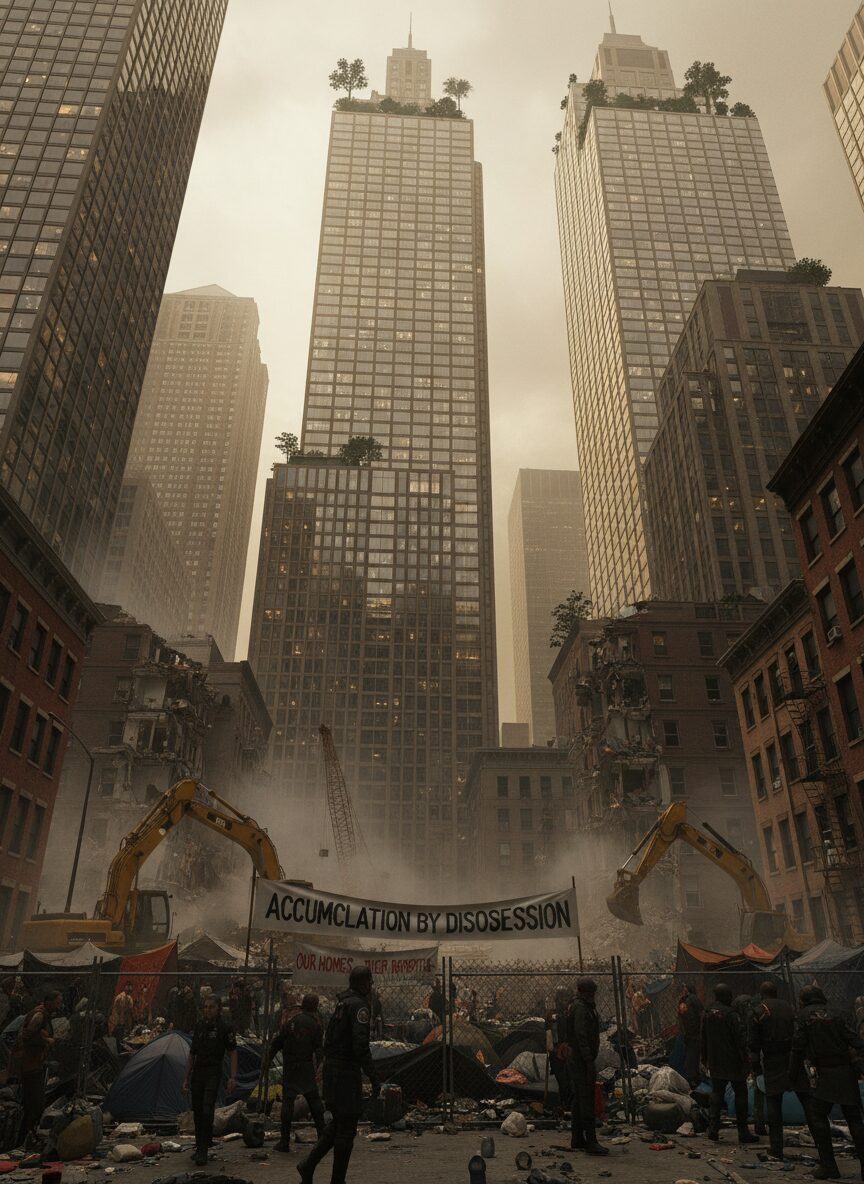
In The New Imperialism (2003) and Rebel Cities (2012), David Harvey reframes urbanization as central—not peripheral—to the dynamics of contemporary capitalism. Extending Marx’s theory of accumulation, Harvey argues that cities function as “spatial fixes” for surplus capital. When profitability falters in primary circuits of production, capital turns toward the built environment: infrastructure, real estate, housing, and large-scale urban redevelopment.… Continue reading
-
Chelsea Waters | Architecture, Water & Urban Design
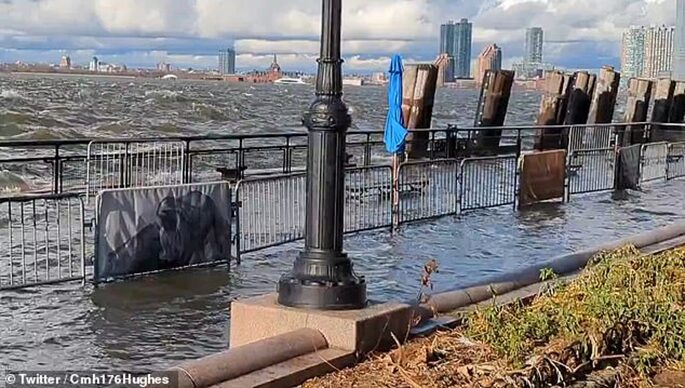
1. The Highway as a Linear Flood Barrier Big idea: the highway becomes a raised spine that blocks or slows storm surge from the Hudson. How this works Why Chelsea is suited for this Urban design effect:You don’t see a wall — you see planted slopes, seating edges, bikeways, and subtle grade changes doing flood… Continue reading
-
Distribution of Housing Types and Hybrid Mix
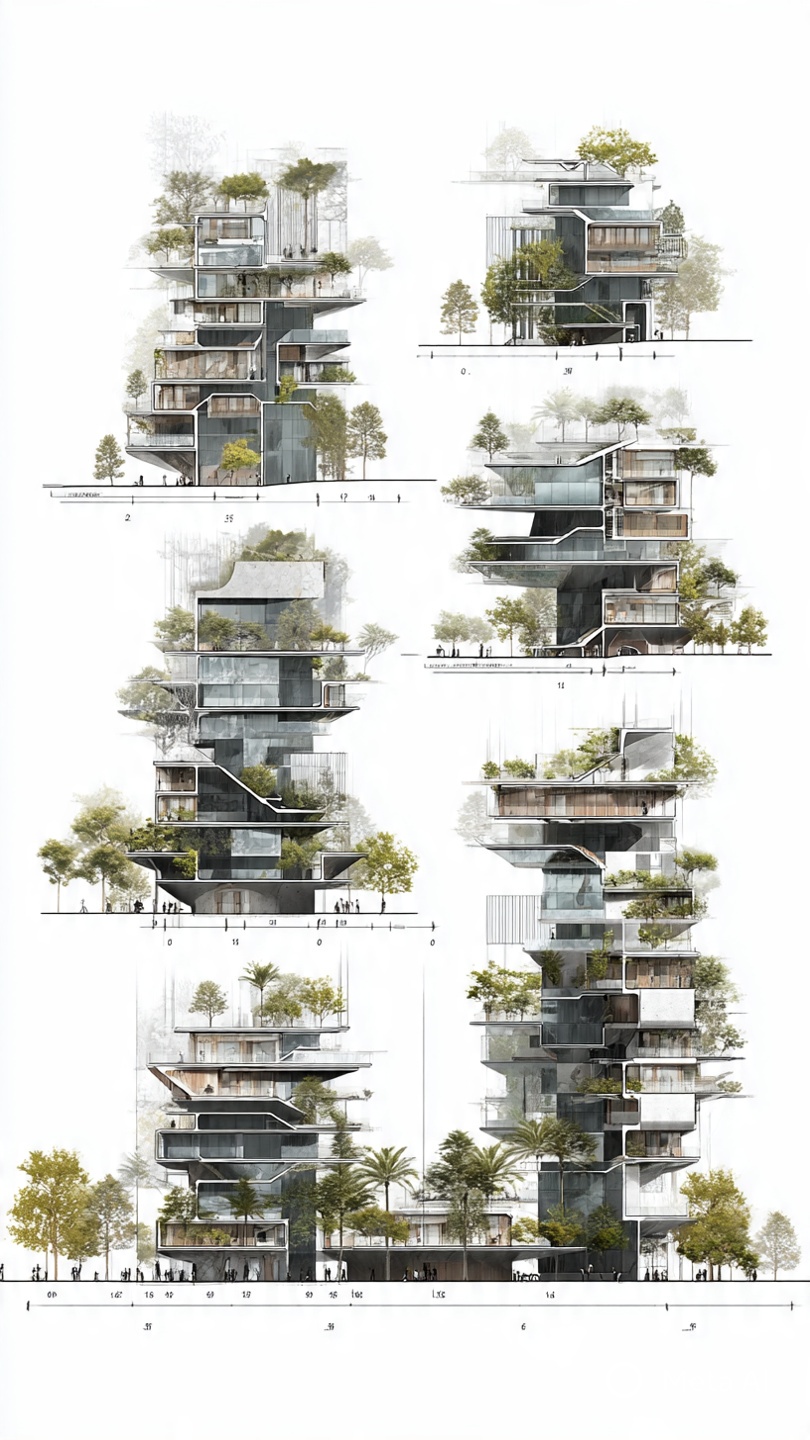
Housing Model — Hudson Hotel, 357 West 57th Street, Manhattan The housing model for the former Hudson Hotel reimagines the site as a hybrid residential and civic ecosystem, transforming a single-use hospitality building into a mixed-tenure, mixed-use housing framework that responds to Midtown West’s affordability pressures, transient populations, and service-worker displacement. Housing types are deliberately distributed… Continue reading