
Urbanism
Explores the theory and lived experience of cities—including urban form, gentrification, informality, public life, and socio-political dimensions of urban space.
-
Against the Retroactive Manifesto: Delirium as Alibi
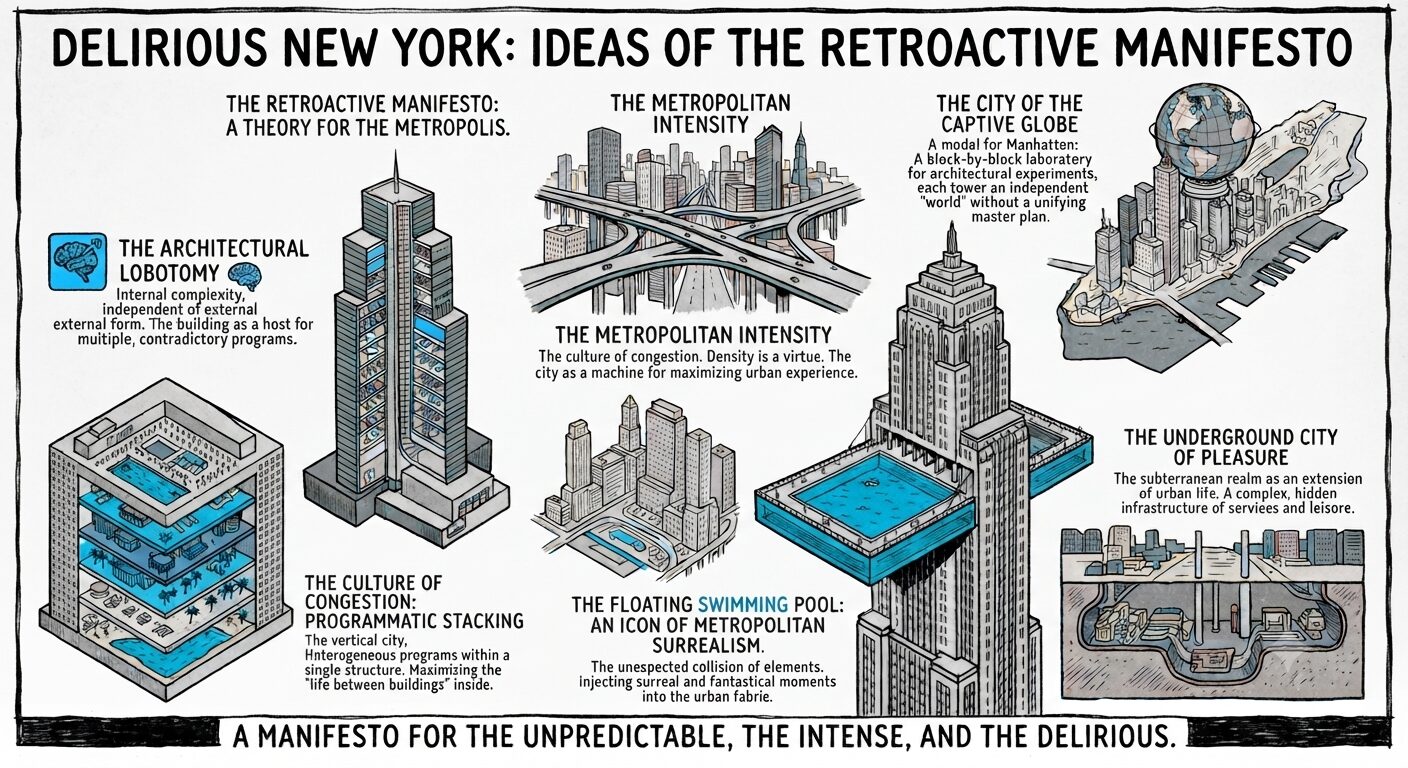
Rem Koolhaas’s Delirious New York remains one of the most influential architectural texts of the twentieth century because it rejects conventional urban planning in favor of celebrating Manhattan’s apparent chaos. Through the idea of the “retroactive manifesto,” Koolhaas argues that the city’s congestion, contradictions, and programmatic instability were not failures but the very forces that… Continue reading
-
Distribution of Housing Types and Hybrid Mix
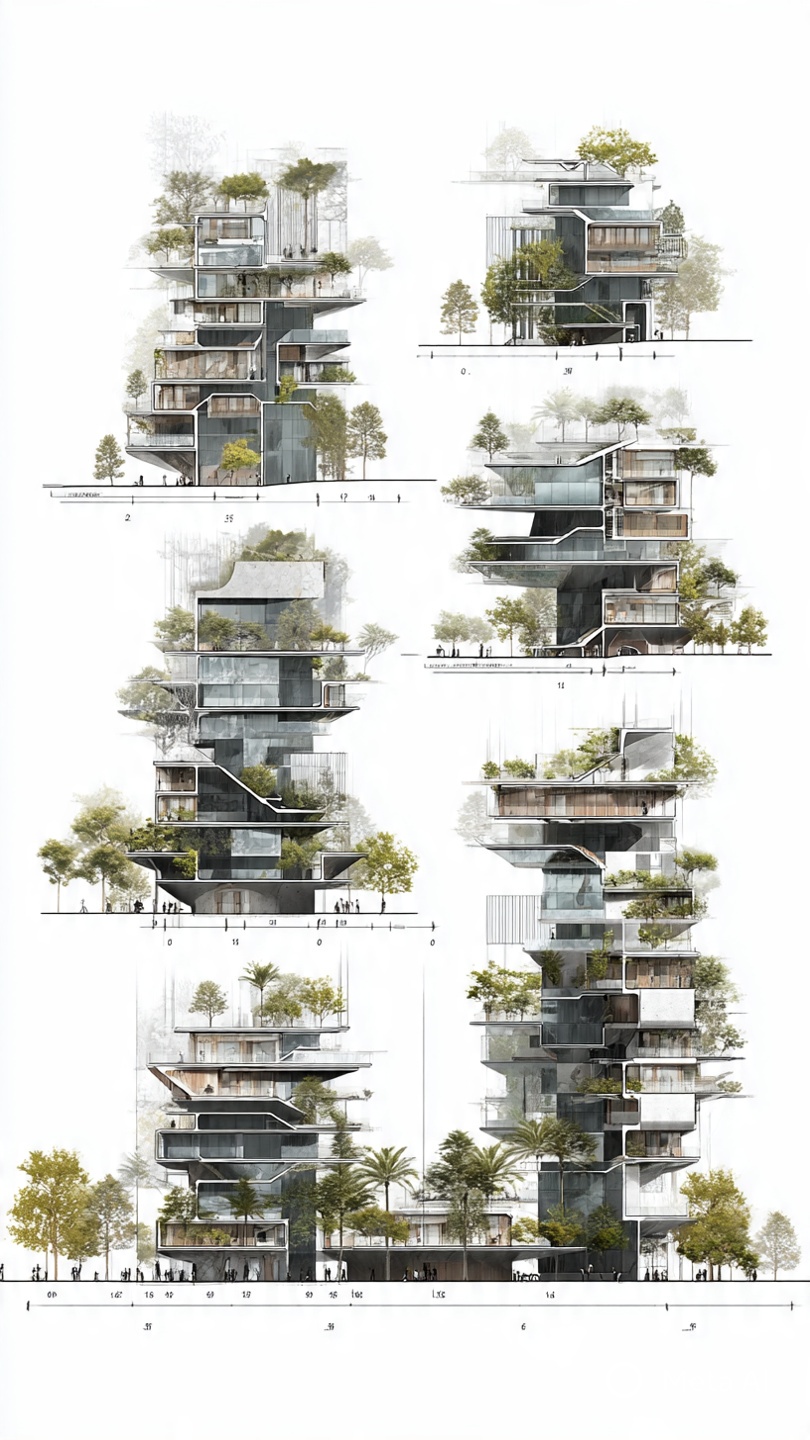
Housing Model — Hudson Hotel, 357 West 57th Street, Manhattan The housing model for the former Hudson Hotel reimagines the site as a hybrid residential and civic ecosystem, transforming a single-use hospitality building into a mixed-tenure, mixed-use housing framework that responds to Midtown West’s affordability pressures, transient populations, and service-worker displacement. Housing types are deliberately distributed… Continue reading