-
The Grammar of Space: How Language Engenders Architecture
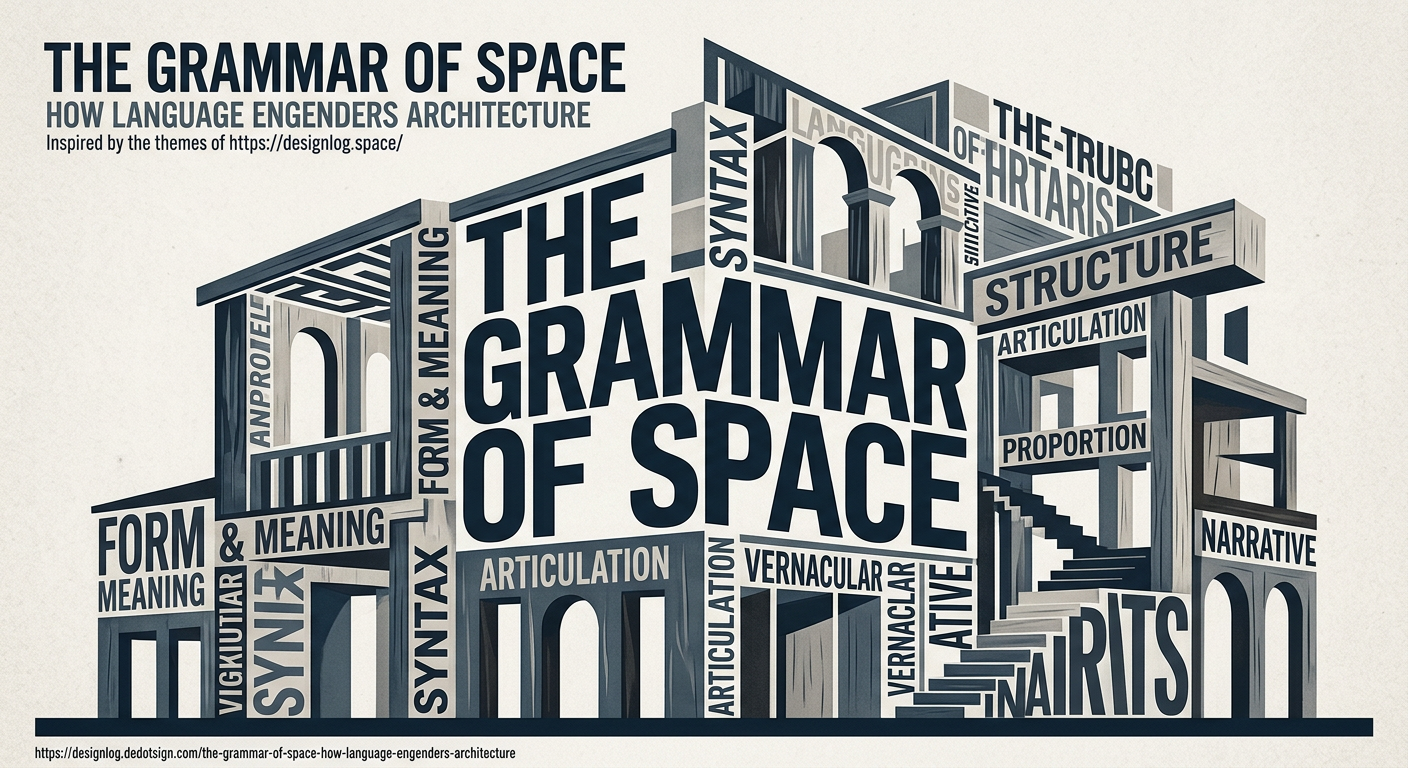
The Grammar of Space: How Language Engenders Architecture Architecture is often described as a language: buildings “speak,” façades “signify,” and cities become texts to be read. Yet the more provocative proposition is the inverse—that language itself can engender architecture. If architecture is not merely an object of representation but a material organization of relations, then linguistic… Continue reading
-
The Drawing as a Spatial Construct
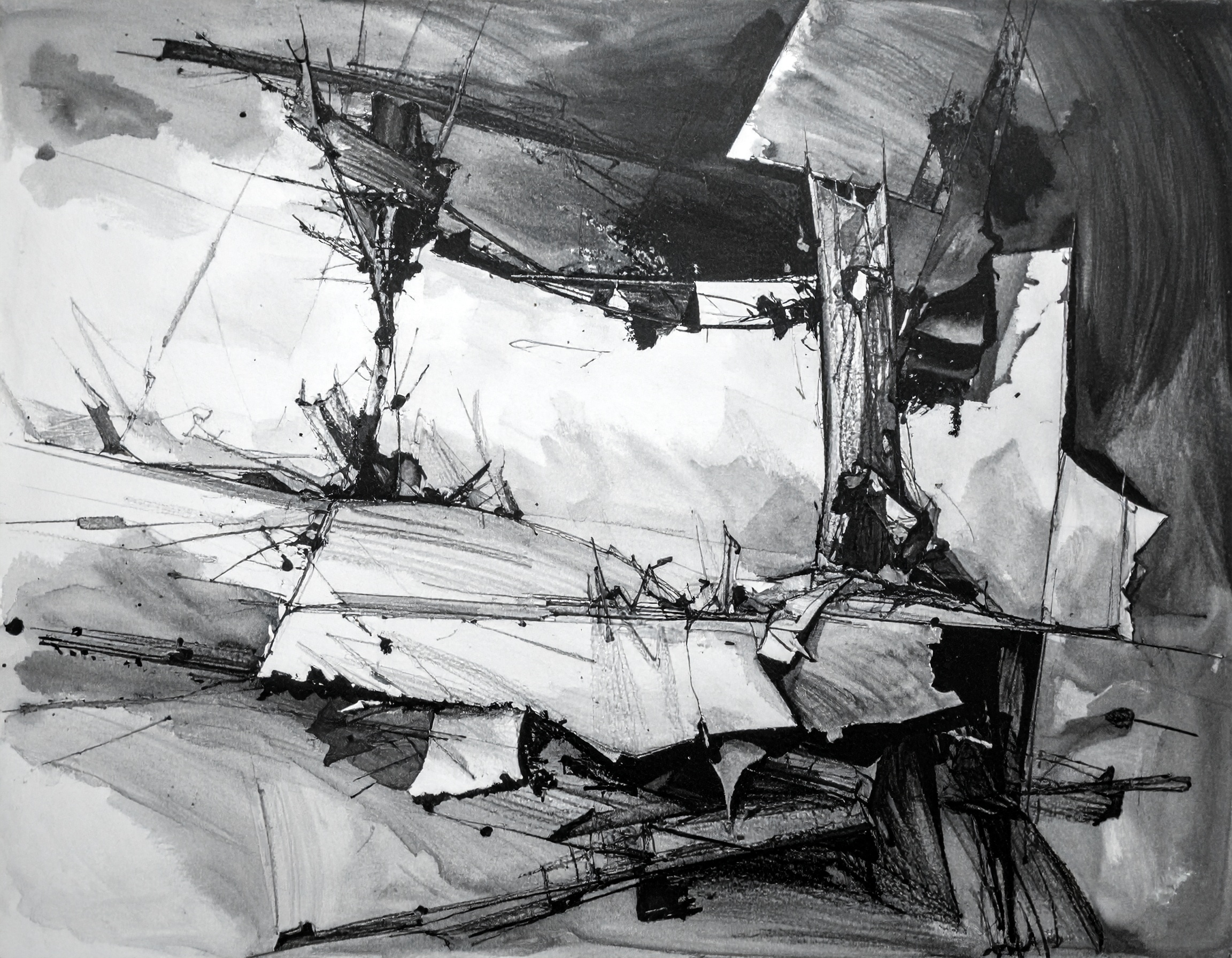
A drawing is not a representation of space.It is a space. Before architecture becomes matter, it exists as an arrangement of relationships: distance, proximity, enclosure, direction, interruption, threshold. The drawing does not merely describe these things. It constructs them. A line is never only a line. It is an edge. It separates what is here… Continue reading
-
The Architecture of What Remains

The Architecture of What Remains An unbuilt project does not die.It withdraws. It leaves the world of matter and returns to the quieter territory from which architecture first came—the territory of thought, where a wall is not yet a wall but the possibility of separation; where a window is not yet an opening but the… Continue reading
-
The Architecture of Hoarding Books
There is a particular kind of person for whom a book is never merely a book. A book is a fragment of a city not yet visited, a room whose walls have not yet been drawn, a conversation with someone dead for three hundred years, a proposition waiting to alter the shape of a life.… Continue reading
-
The Material Loop: Jiddu Krishnamurti on Thought, Matter, and Psychological Freedom
In contemporary philosophy of mind and neuroscience, the assertion that “thought is a material process” is a foundational premise. Scientists and physicalist philosophers point to synaptic firings, neurochemistry, and brain architecture to prove that consciousness emerges strictly from physical matter. Yet, decades before modern neuroimaging, the spiritual philosopher Jiddu Krishnamurti put forward this exact claim… Continue reading
-
Against the Retroactive Manifesto: Delirium as Alibi
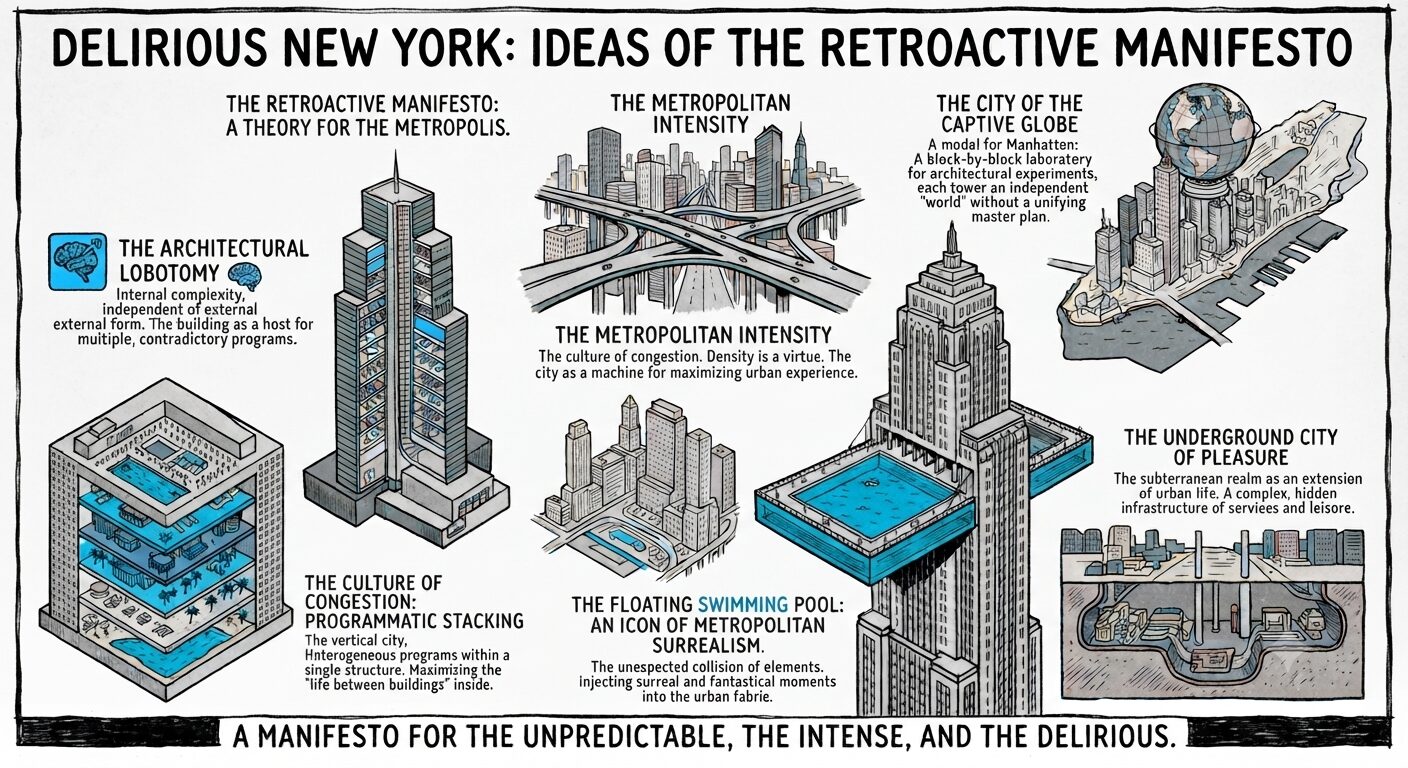
Rem Koolhaas’s Delirious New York remains one of the most influential architectural texts of the twentieth century because it rejects conventional urban planning in favor of celebrating Manhattan’s apparent chaos. Through the idea of the “retroactive manifesto,” Koolhaas argues that the city’s congestion, contradictions, and programmatic instability were not failures but the very forces that… Continue reading
-
Failure as Metaphor

Notes from a Practice That Refuses to Resolve I have begun to distrust success. Not the kind measured in awards or publication—those have always felt peripheral—but the quieter, more insidious success of a building that performs exactly as expected. The plan is efficient. The circulation is clear. The details align. Nothing leaks, nothing confuses, nothing… Continue reading
-
Small, Shared, and Repurposed: Reimagining Housing for 21st-Century New York City
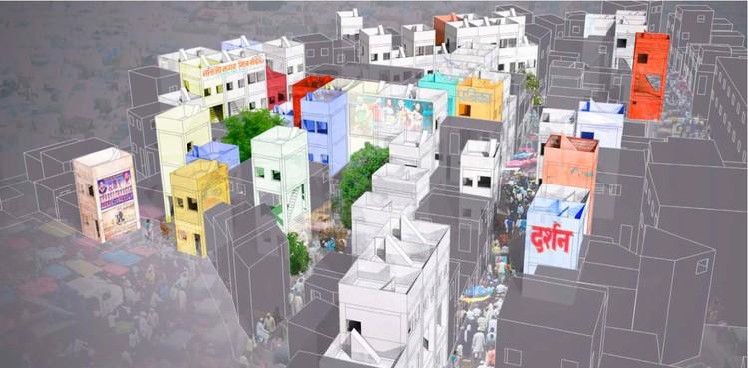
Introduction New York City’s affordable housing crisis is one of the most pressing challenges facing any global city in the 21st century. With median Manhattan rents exceeding $4,000 per month, tens of thousands of single adults living in shelters, and a substantial portion of the city’s housing stock inaccessible to low- and moderate-income residents, the… Continue reading
-
Jürgen Habermas and Architecture: A Critical Reflection
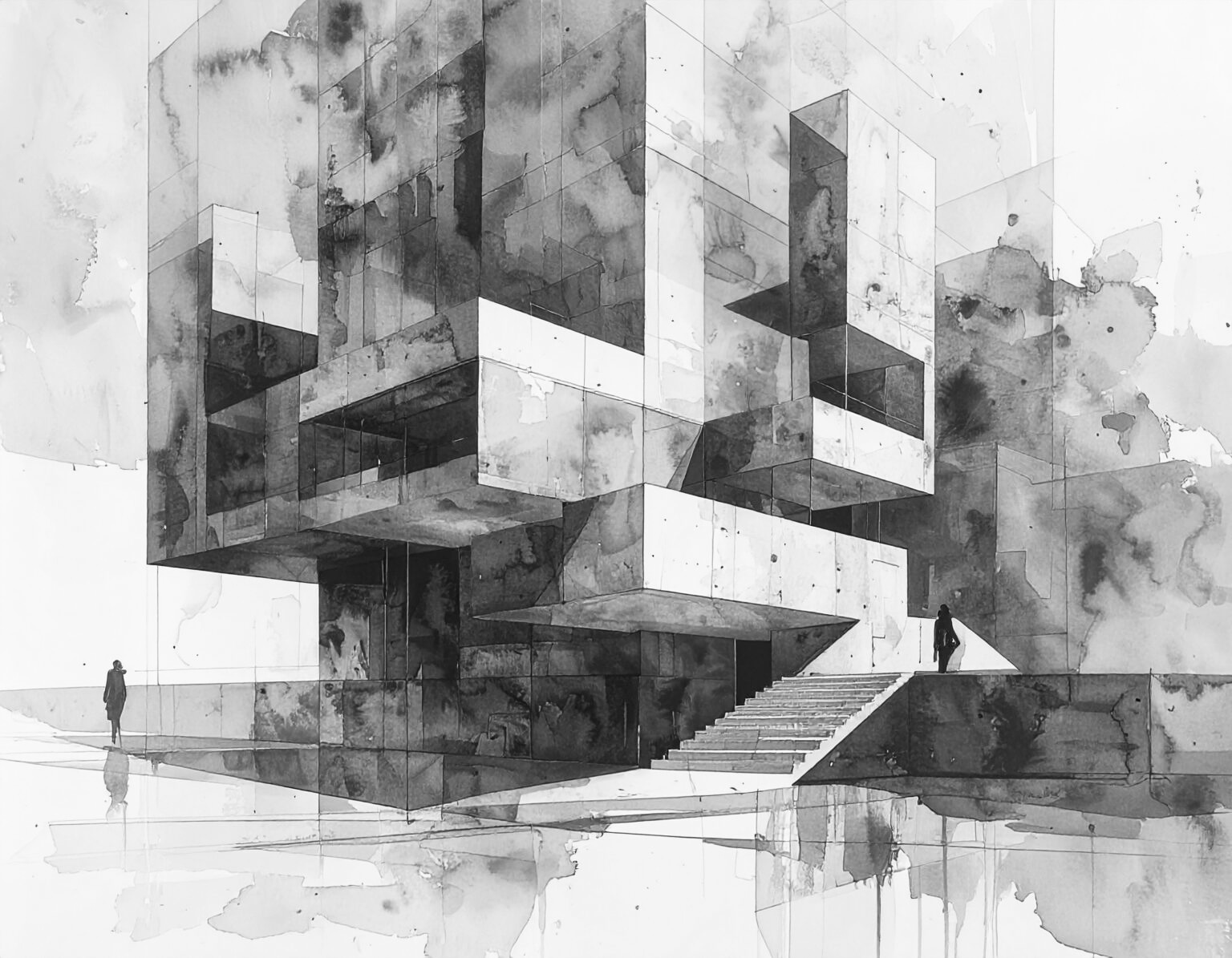
Jürgen Habermas is one of the most influential social and political philosophers of the twentieth century. Although his work primarily belongs to philosophy and sociology, particularly within Critical Theory, it has had a significant impact on architectural thinking. Habermas did not write extensively about architecture itself, yet his ideas about modernity, rationality, and the public… Continue reading
-
Accumulation by Dispossession in the Vertical City: A Harveyan Reading of New York
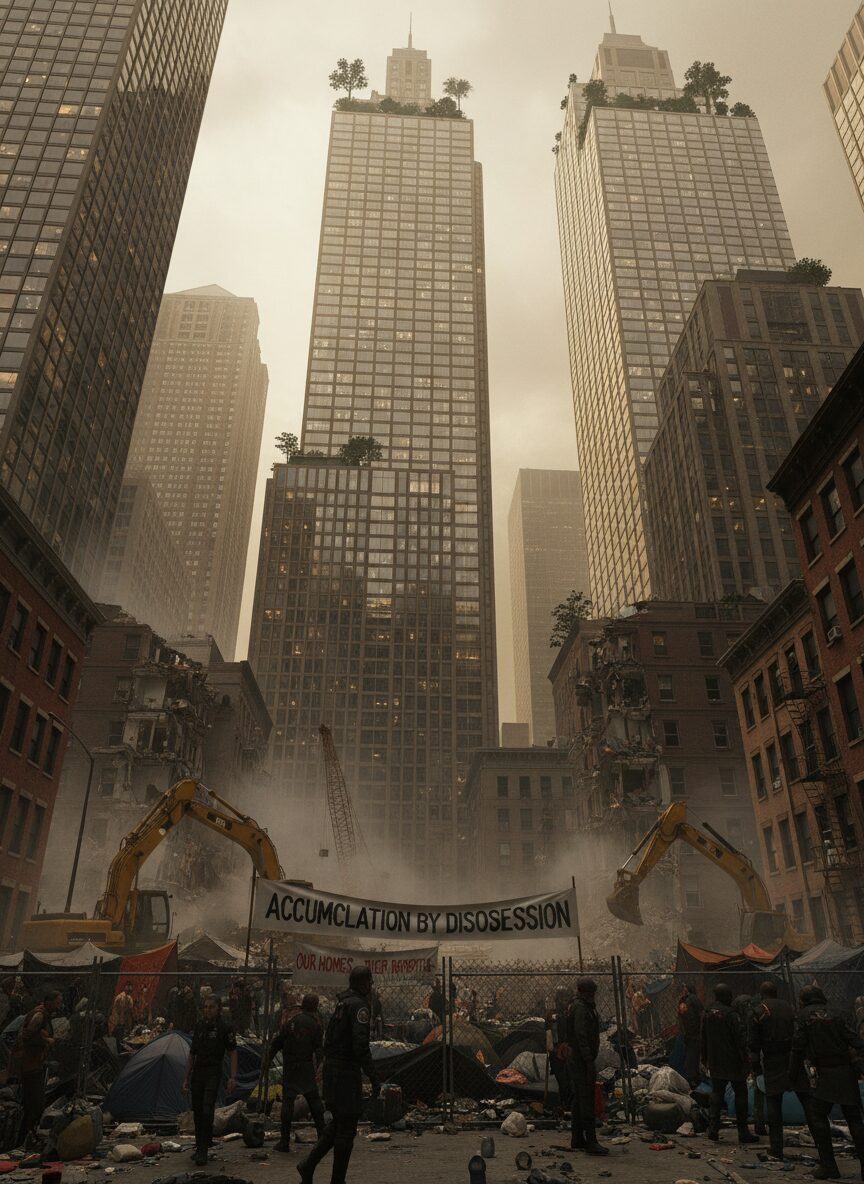
In The New Imperialism (2003) and Rebel Cities (2012), David Harvey reframes urbanization as central—not peripheral—to the dynamics of contemporary capitalism. Extending Marx’s theory of accumulation, Harvey argues that cities function as “spatial fixes” for surplus capital. When profitability falters in primary circuits of production, capital turns toward the built environment: infrastructure, real estate, housing, and large-scale urban redevelopment.… Continue reading