
Design Theory
Articles that delve into conceptual, philosophical, and theoretical frameworks in design and architecture—phenomenology, postmodernism, critical theory, and more.
-
Accumulation by Dispossession in the Vertical City: A Harveyan Reading of New York
In The New Imperialism (2003) and Rebel Cities (2012), David Harvey reframes urbanization as central—not peripheral—to the dynamics of contemporary capitalism. Extending Marx’s theory of accumulation, Harvey argues that cities function as “spatial fixes” for surplus capital. When profitability falters in primary circuits of production, capital turns toward the built environment: infrastructure, real estate, housing, and large-scale urban redevelopment. Continue reading
-
Decoding Deconstruction
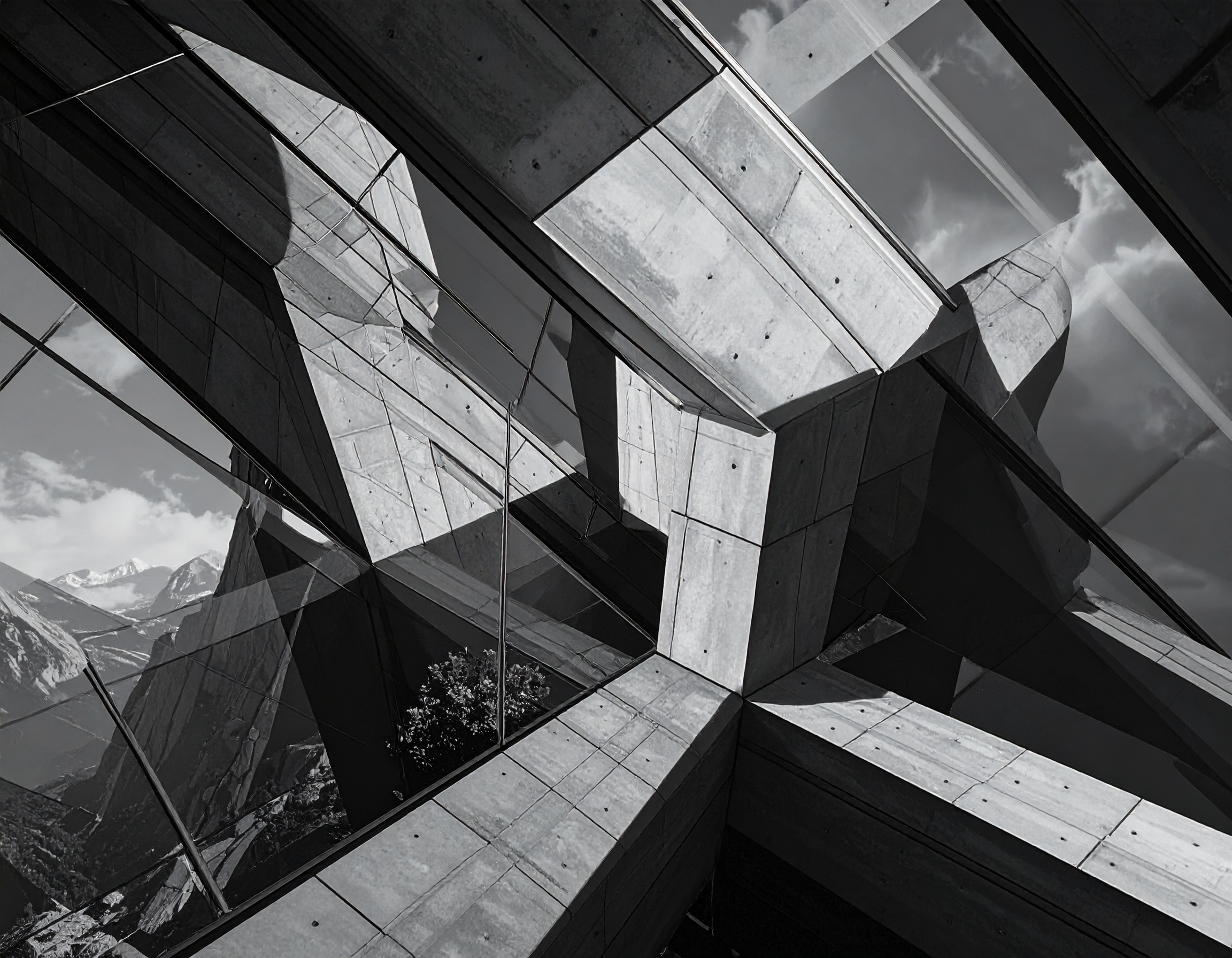
Deconstruction entered architectural and design discourse as critique: a method for undoing the metaphysical assurances embedded in form, function, authorship, and meaning. In its migration from philosophy to design, it was frequently aestheticized—translated into fragmentation, disjunction, and formal instability—while its epistemic force was domesticated. Yet the philosophical conditions that made deconstruction necessary in the West Continue reading
-
Distribution of Housing Types and Hybrid Mix
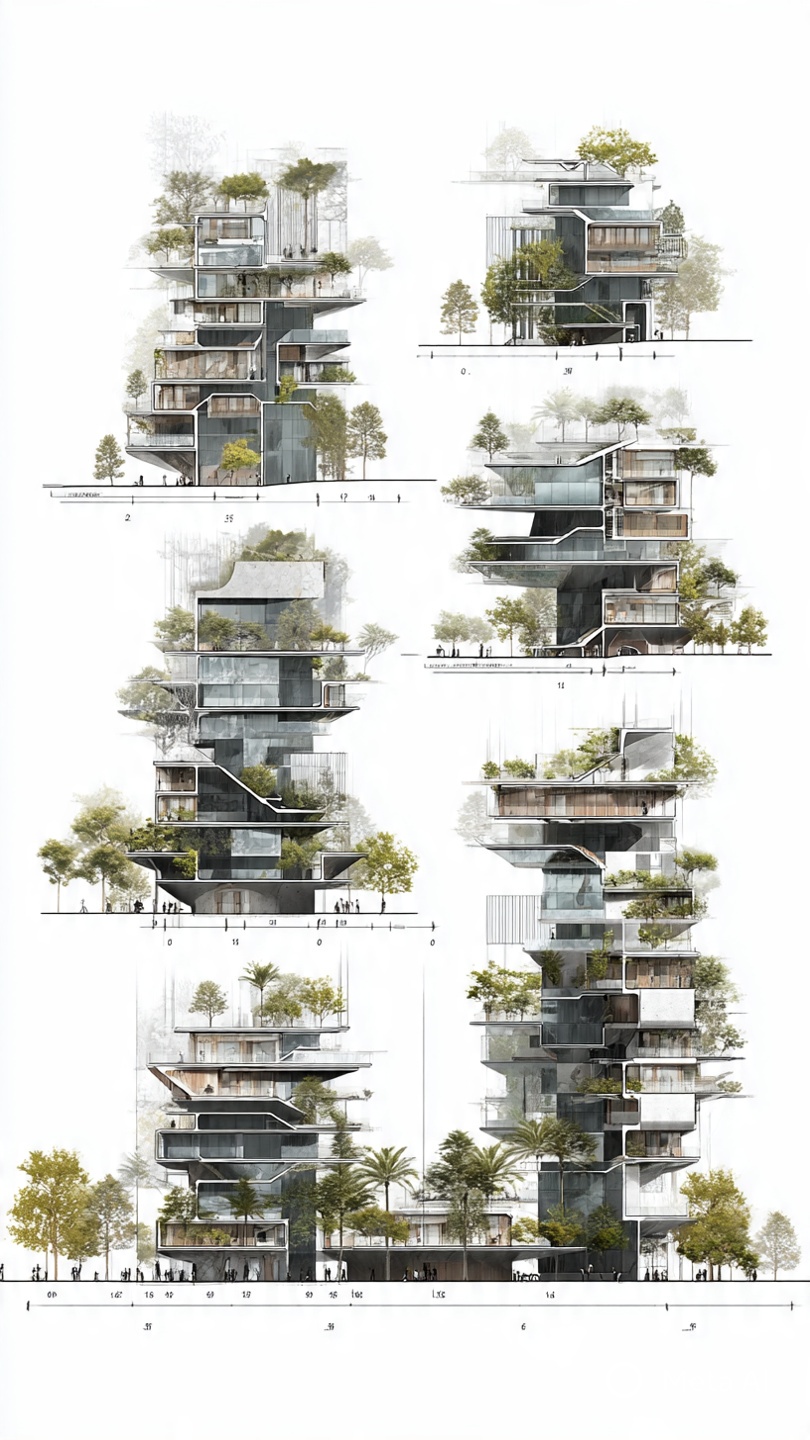
Housing Model — Hudson Hotel, 357 West 57th Street, Manhattan The housing model for the former Hudson Hotel reimagines the site as a hybrid residential and civic ecosystem, transforming a single-use hospitality building into a mixed-tenure, mixed-use housing framework that responds to Midtown West’s affordability pressures, transient populations, and service-worker displacement. Housing types are deliberately distributed Continue reading
-
Method as World-Making: Architecture Between Disciplines, Intuition, and Systems
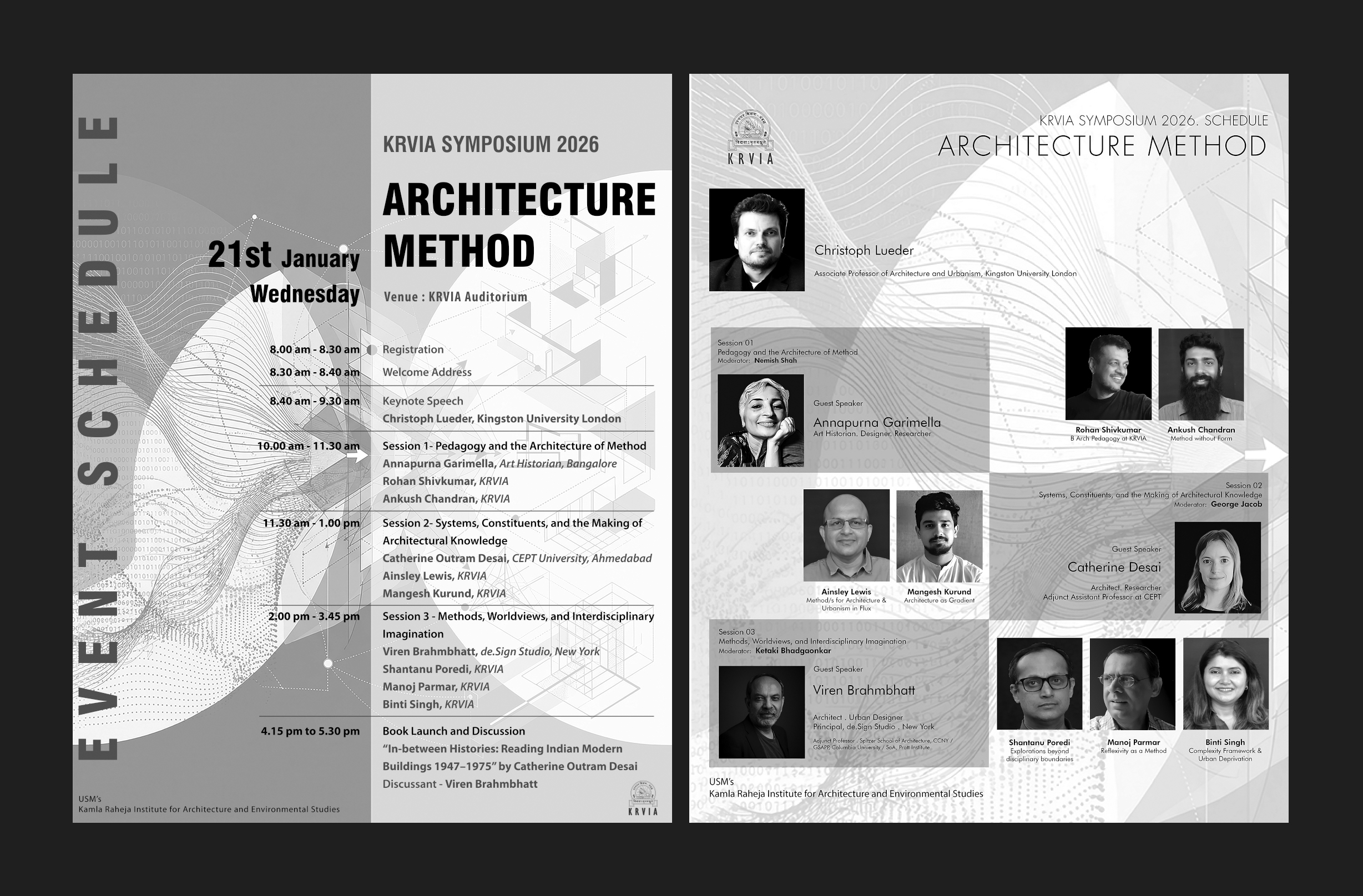
This symposium is positioned within pedagogy, and rightly so. But pedagogy does not exist apart from practice. The methods we teach become the defaults of professional action. What is rehearsed in the studio is what later shapes decisions, exclusions, and responsibilities in the world. To question architectural method pedagogically is already to intervene in practice. Continue reading
-
Ruins, Power, and the Architectural Imagination: Toward a Critical Theory of Preservation
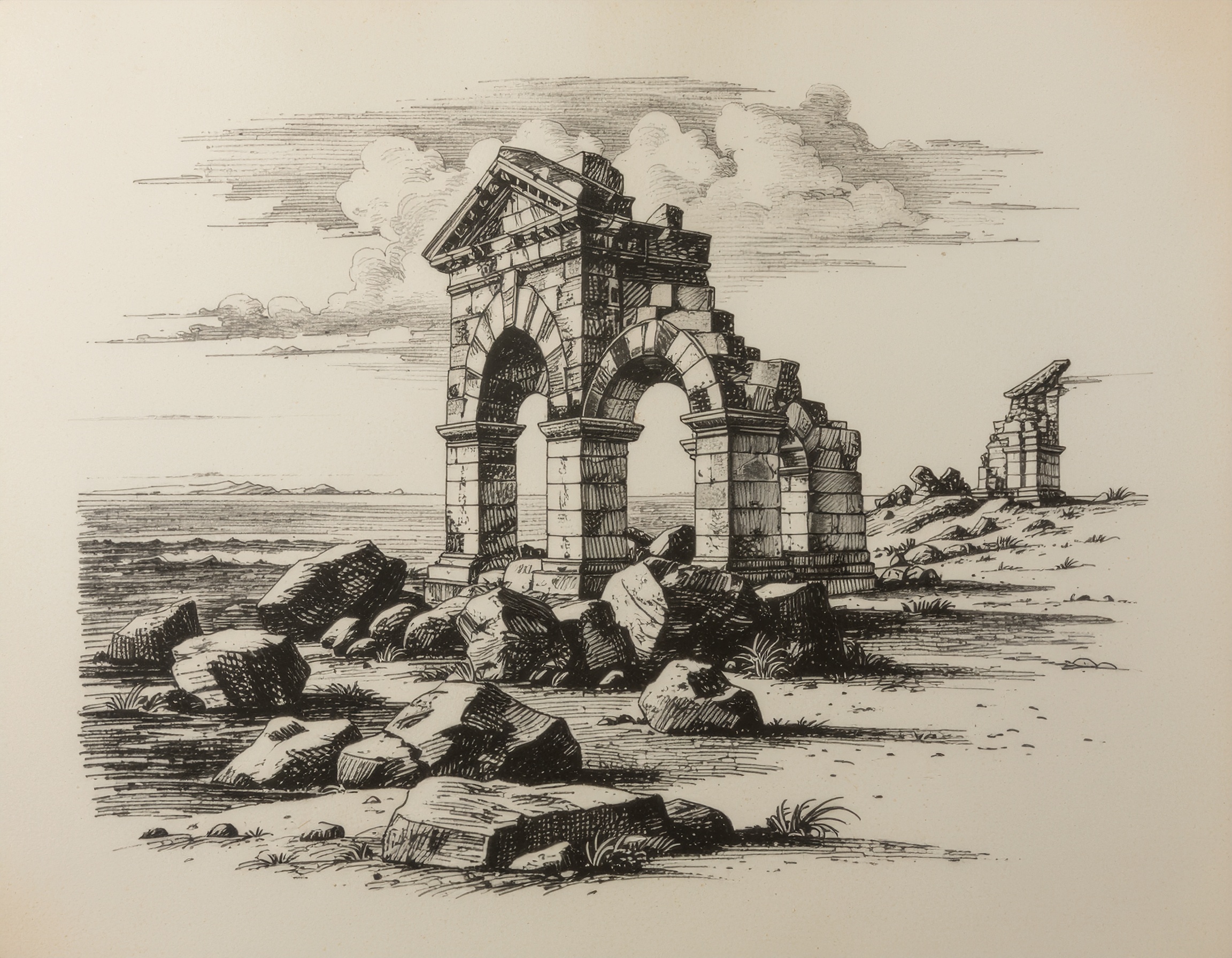
Ruins have long served as generative objects for intellectual reflection. As architectural remnants that mark temporal rupture, they exist in an ambiguous interval between persistence and disappearance. Their material incompleteness has historically encouraged meditations on theology, on the rise and fall of political orders, and on aesthetic theories of fragmentation, entropy, and the sublime. Yet Continue reading
-
The Medium, the Message, and the Multitude:

Multiculturalism as Media Theory in Contemporary American Creative Culture Abstract Multiculturalism in the United States is frequently discussed in terms of representation—whose identities appear in images, narratives, and institutional spaces. Yet this framing overlooks a deeper, more transformative development: multiculturalism is not merely a shift in social demographics or representational politics but a reconfiguration of Continue reading
-
Rethinking the Brooklyn Marine Terminal
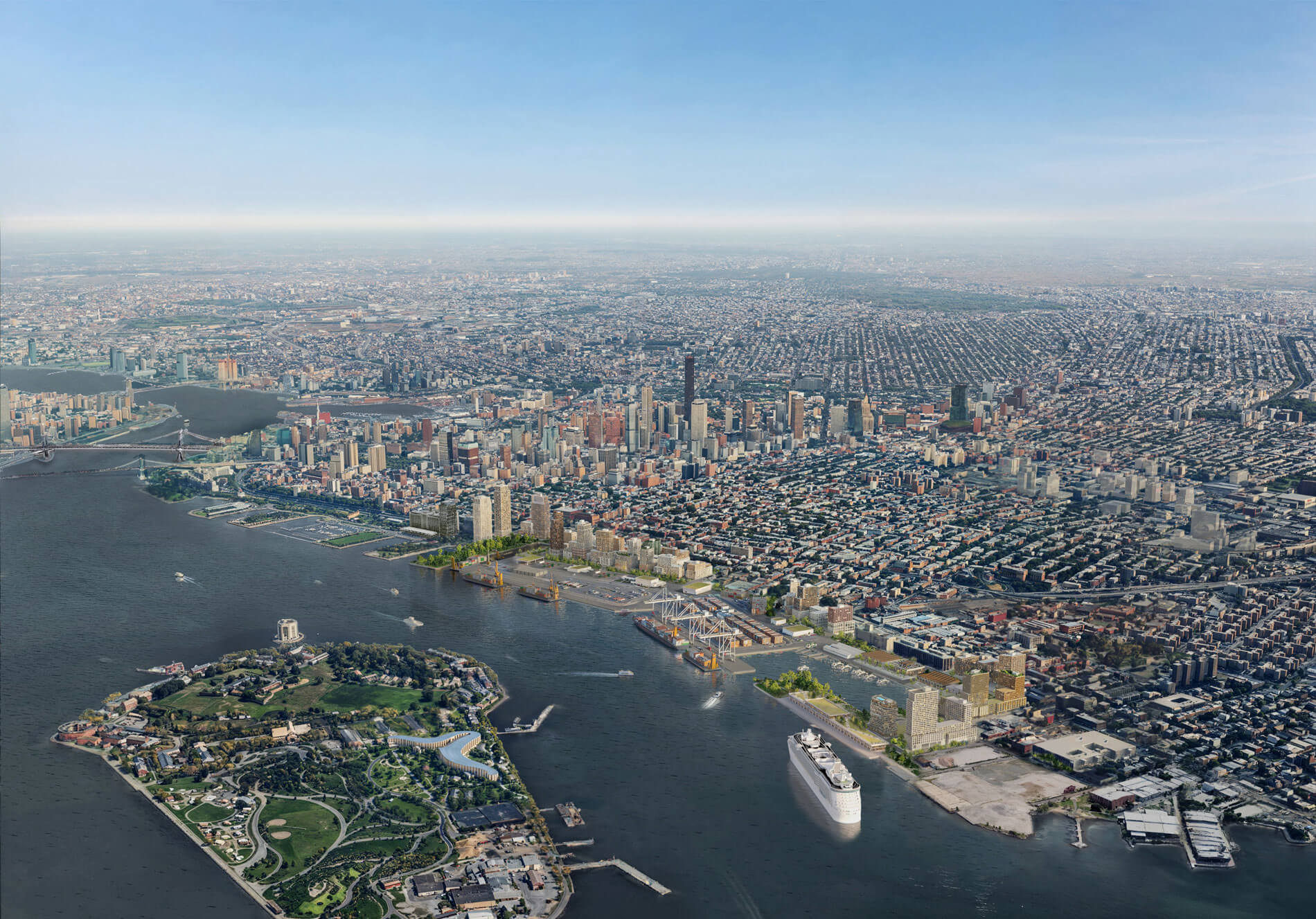
A Critique of the Vision Plan Abstract The recently approved Brooklyn Marine Terminal (BMT) Vision Plan represents one of New York City’s most ambitious waterfront redevelopment initiatives of the early twenty-first century. The plan integrates maritime modernization, mixed-income housing, public open space, and climate resilience strategies within a 122-acre site at the confluence of Red Continue reading
-
Selling the Commons. The Systematic Erasure of Section 9 Housing
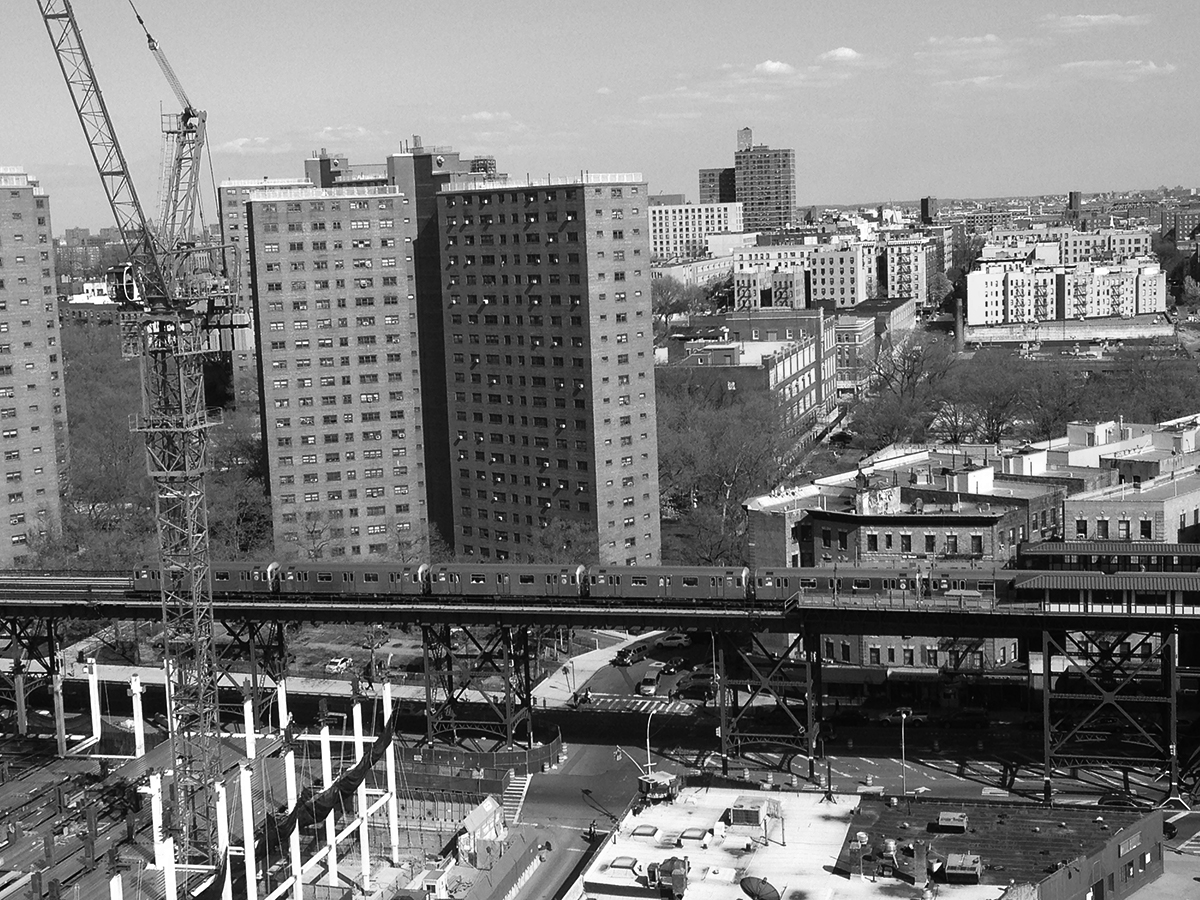
In a deal cloaked in the language of “revitalization” and “affordability,” the New York City Housing Authority (NYCHA) has once again put public land on the auction block. This time, it’s the Manhattanville Houses in West Harlem — a public housing campus home to thousands of New Yorkers who have, for decades, weathered systemic neglect, Continue reading
-
Unhomely Homes: Dwelling as Dislocation in a Global Age

“We do not dwell because we have built, but we build and have built because we dwell.”— Martin Heidegger¹ At the root of Heidegger’s inquiry lies a rupture. His distinction between building and dwelling opens a chasm that continues to haunt architectural discourse: the ontological dissonance between shelter and home, between house and world. Yet Continue reading