
Uncategorized
-
Accumulation by Dispossession in the Vertical City: A Harveyan Reading of New York
In The New Imperialism (2003) and Rebel Cities (2012), David Harvey reframes urbanization as central—not peripheral—to the dynamics of contemporary capitalism. Extending Marx’s theory of accumulation, Harvey argues that cities function as “spatial fixes” for surplus capital. When profitability falters in primary circuits of production, capital turns toward the built environment: infrastructure, real estate, housing, and large-scale urban redevelopment. Continue reading
-
Decoding Deconstruction
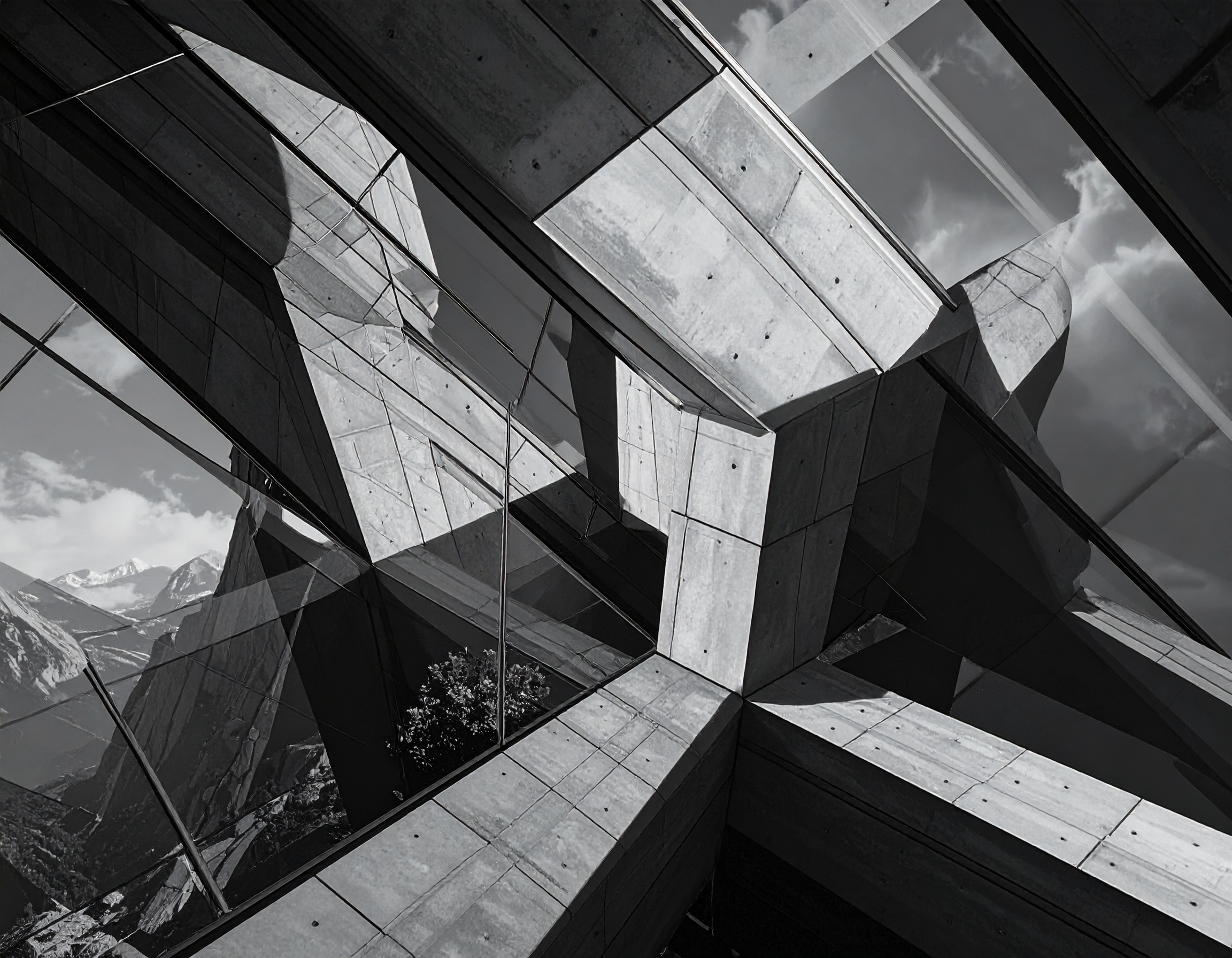
Deconstruction entered architectural and design discourse as critique: a method for undoing the metaphysical assurances embedded in form, function, authorship, and meaning. In its migration from philosophy to design, it was frequently aestheticized—translated into fragmentation, disjunction, and formal instability—while its epistemic force was domesticated. Yet the philosophical conditions that made deconstruction necessary in the West Continue reading
-
Cultural Waterscapes of India: Symmetry and Sustainability—The Architectural Significance of Panna Meena ka Kund
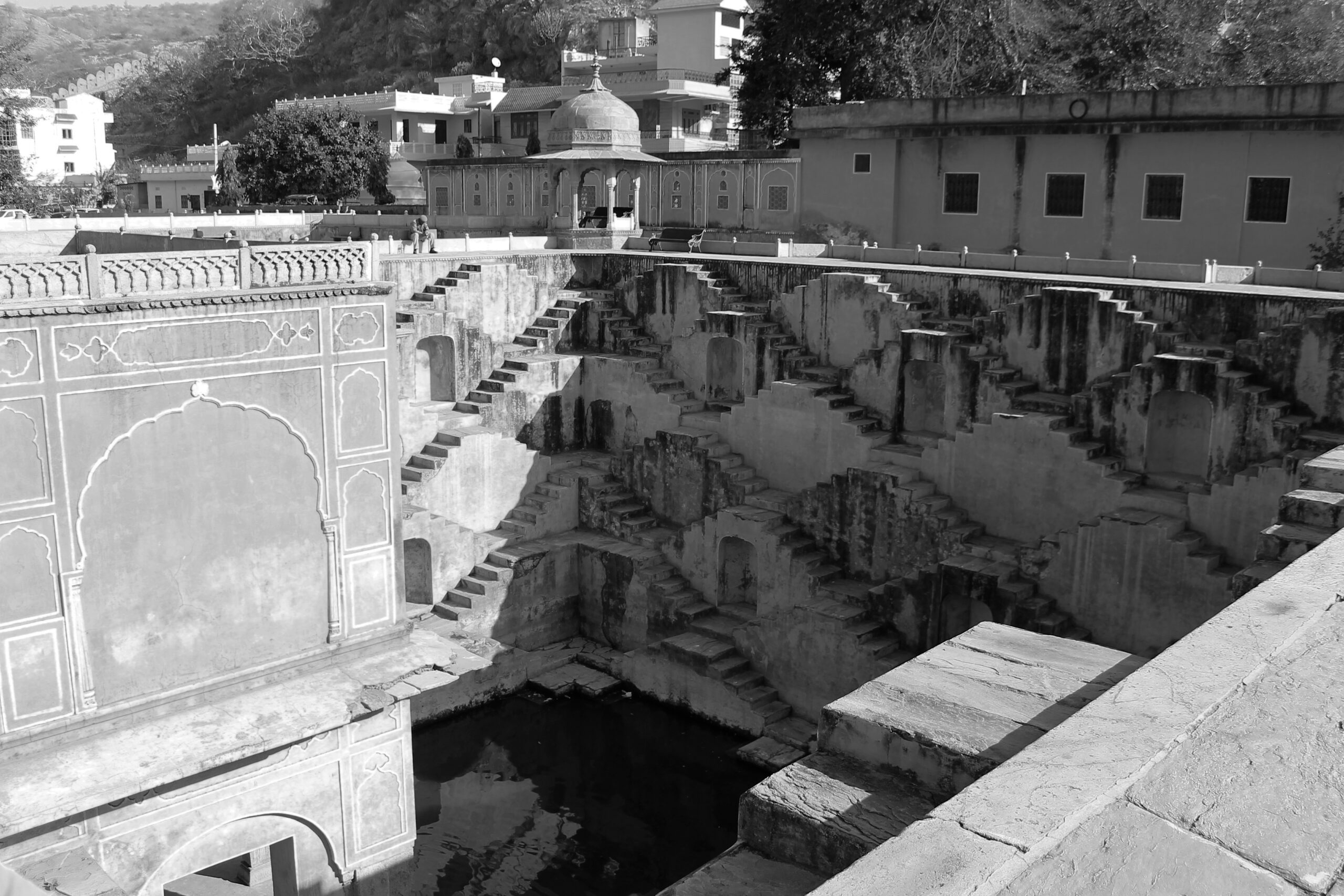
Panna Meena ka Kund is a historic sixteenth-century stepwell located near Amer Fort in Jaipur, Rajasthan. As an exemplary structure of early modern Rajput water architecture, it demonstrates the technological ingenuity and socio-cultural centrality of water management systems in semi-arid northwestern India. Architecturally, the kund is an eight-story, square-plan stepwell distinguished by its strikingly symmetrical, crisscrossing Continue reading
-
Aesthetic Neutrality as Ideological Evasion: On Arundhati Roy and the Politics of Silence at Berlinale
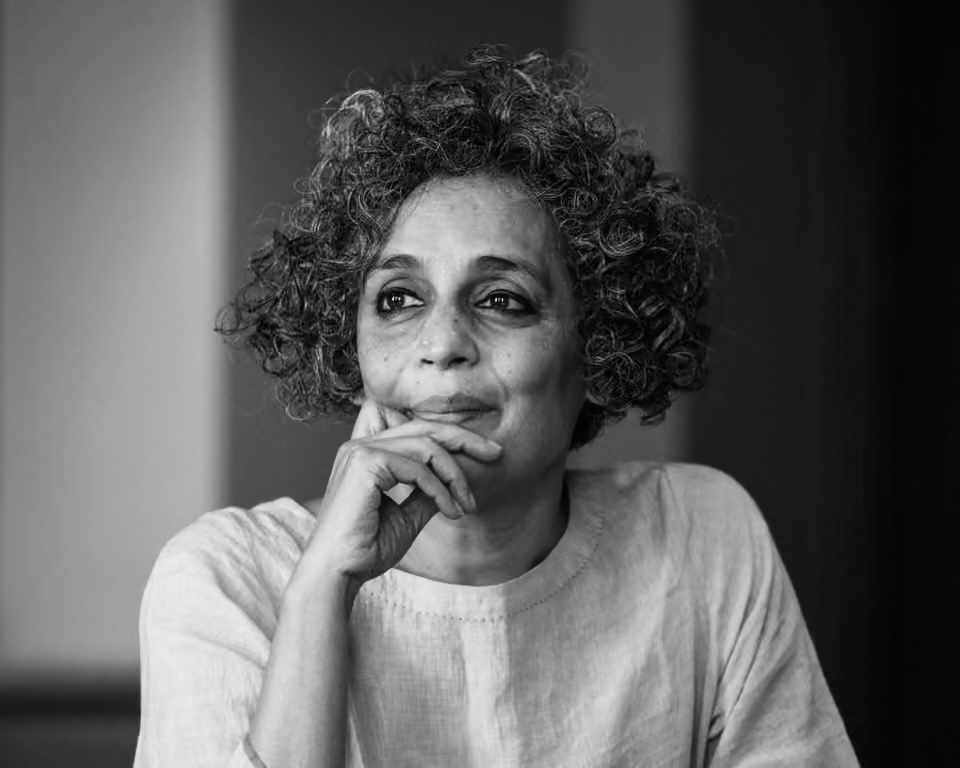
The debacle at this year’s Berlinale crystallizes a far deeper crisis in contemporary cultural institutions: an epistemological abdication disguised as neutrality. When Wim Wenders, serving as the festival’s jury president, intoned that filmmakers must “stay out of politics,” he did so not as an apolitical aesthete, but as a custodian of an ideologically saturated status quo that wants Continue reading
-
Chelsea Waters | Architecture, Water & Urban Design
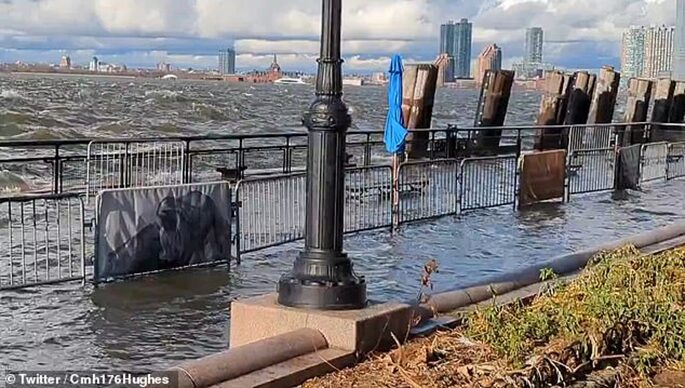
1. The Highway as a Linear Flood Barrier Big idea: the highway becomes a raised spine that blocks or slows storm surge from the Hudson. How this works Why Chelsea is suited for this Urban design effect:You don’t see a wall — you see planted slopes, seating edges, bikeways, and subtle grade changes doing flood Continue reading
-
Distribution of Housing Types and Hybrid Mix
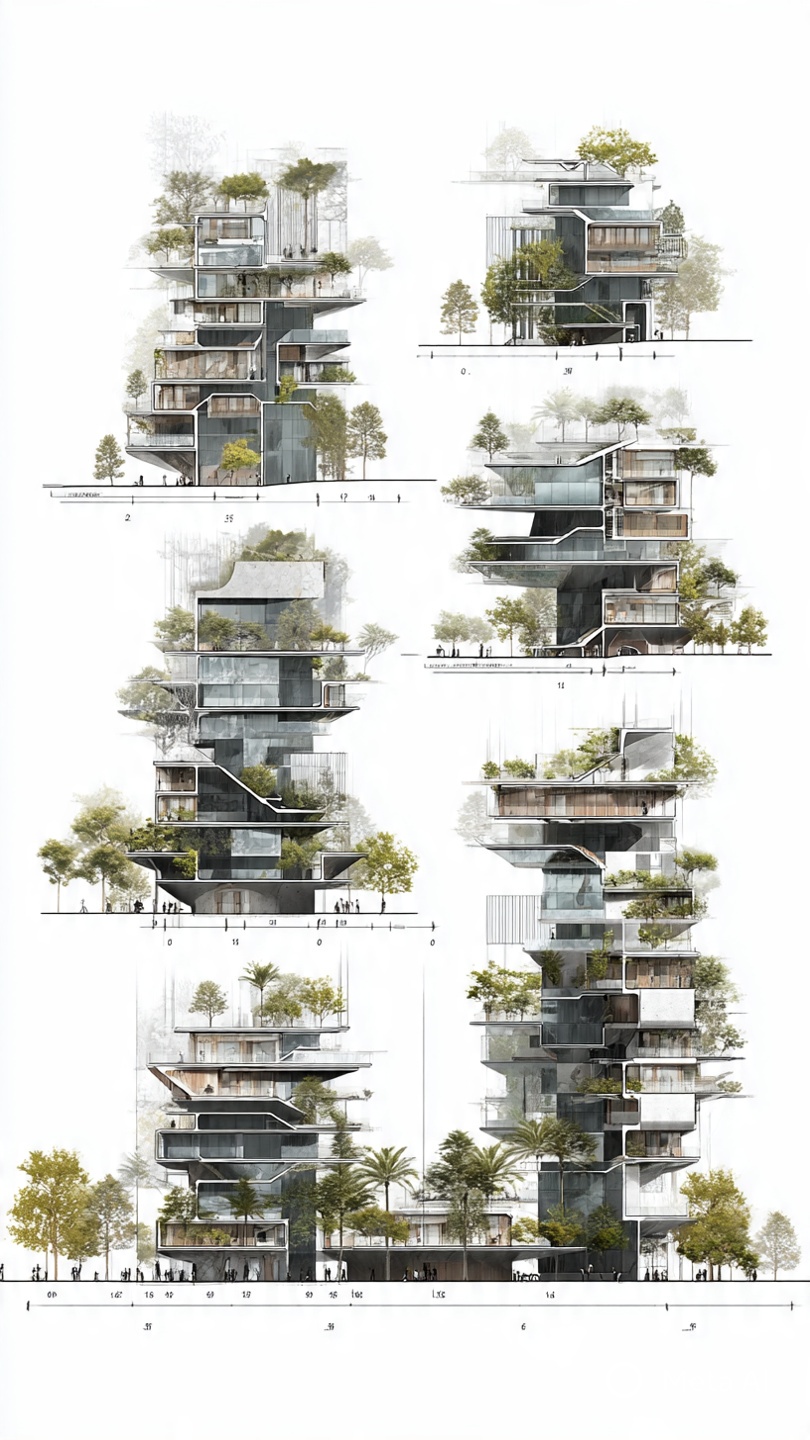
Housing Model — Hudson Hotel, 357 West 57th Street, Manhattan The housing model for the former Hudson Hotel reimagines the site as a hybrid residential and civic ecosystem, transforming a single-use hospitality building into a mixed-tenure, mixed-use housing framework that responds to Midtown West’s affordability pressures, transient populations, and service-worker displacement. Housing types are deliberately distributed Continue reading
-
Mapping Memories: Un-Erased Architectures and Invisible Geographies in India
Architectural history in India has long been shaped by a selective cartography—one that privileges monumental, imperial, and easily legible structures while marginalizing sites that resist dominant historical narratives. Beyond the canon of Mughal mausolea, Rajput forts, and colonial civic buildings exists a dense substratum of architectural production that remains physically present yet culturally obscured. These Continue reading
-
Method as World-Making: Architecture Between Disciplines, Intuition, and Systems
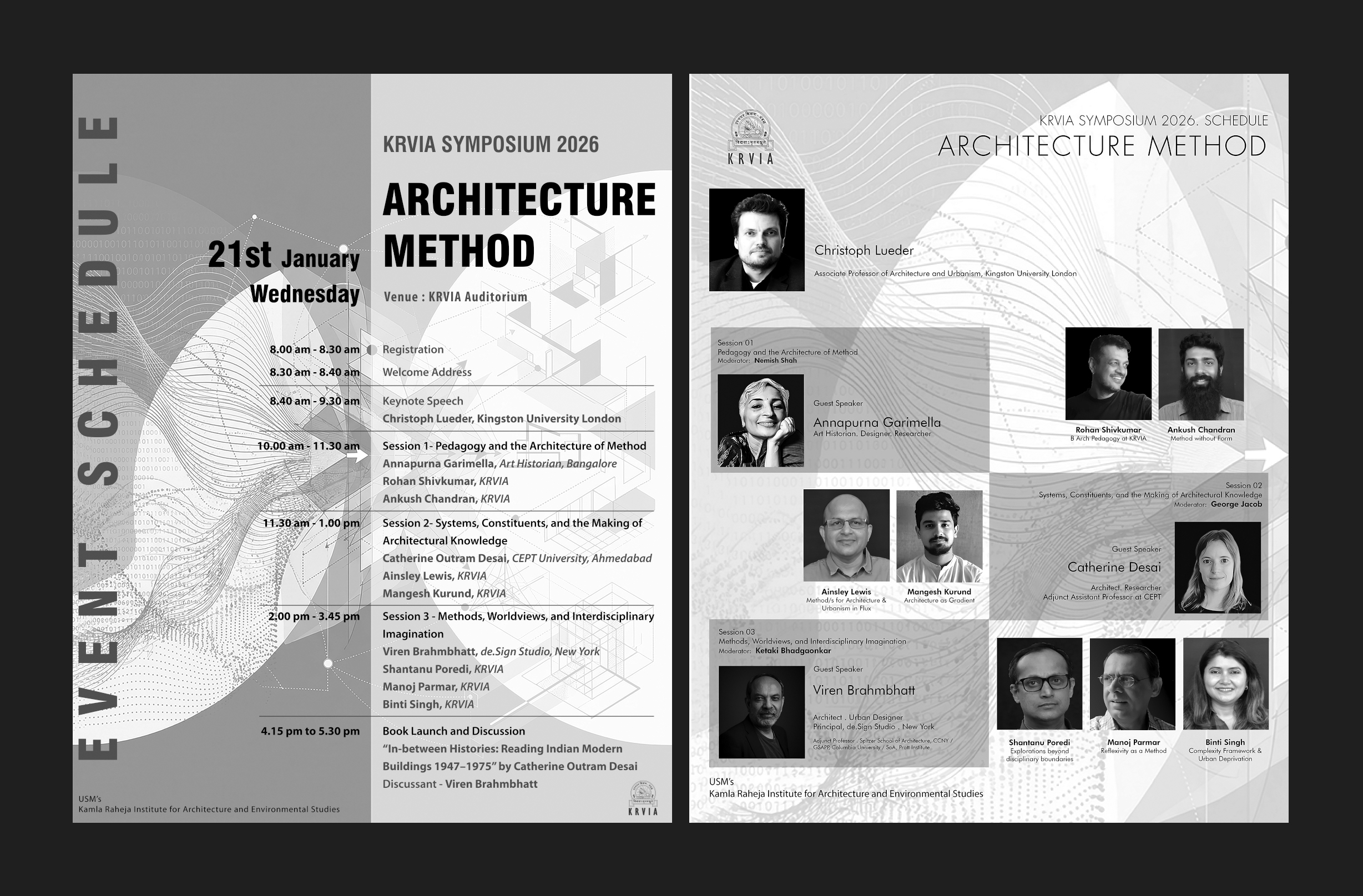
This symposium is positioned within pedagogy, and rightly so. But pedagogy does not exist apart from practice. The methods we teach become the defaults of professional action. What is rehearsed in the studio is what later shapes decisions, exclusions, and responsibilities in the world. To question architectural method pedagogically is already to intervene in practice. Continue reading
-
The Medium, the Message, and the Multitude:
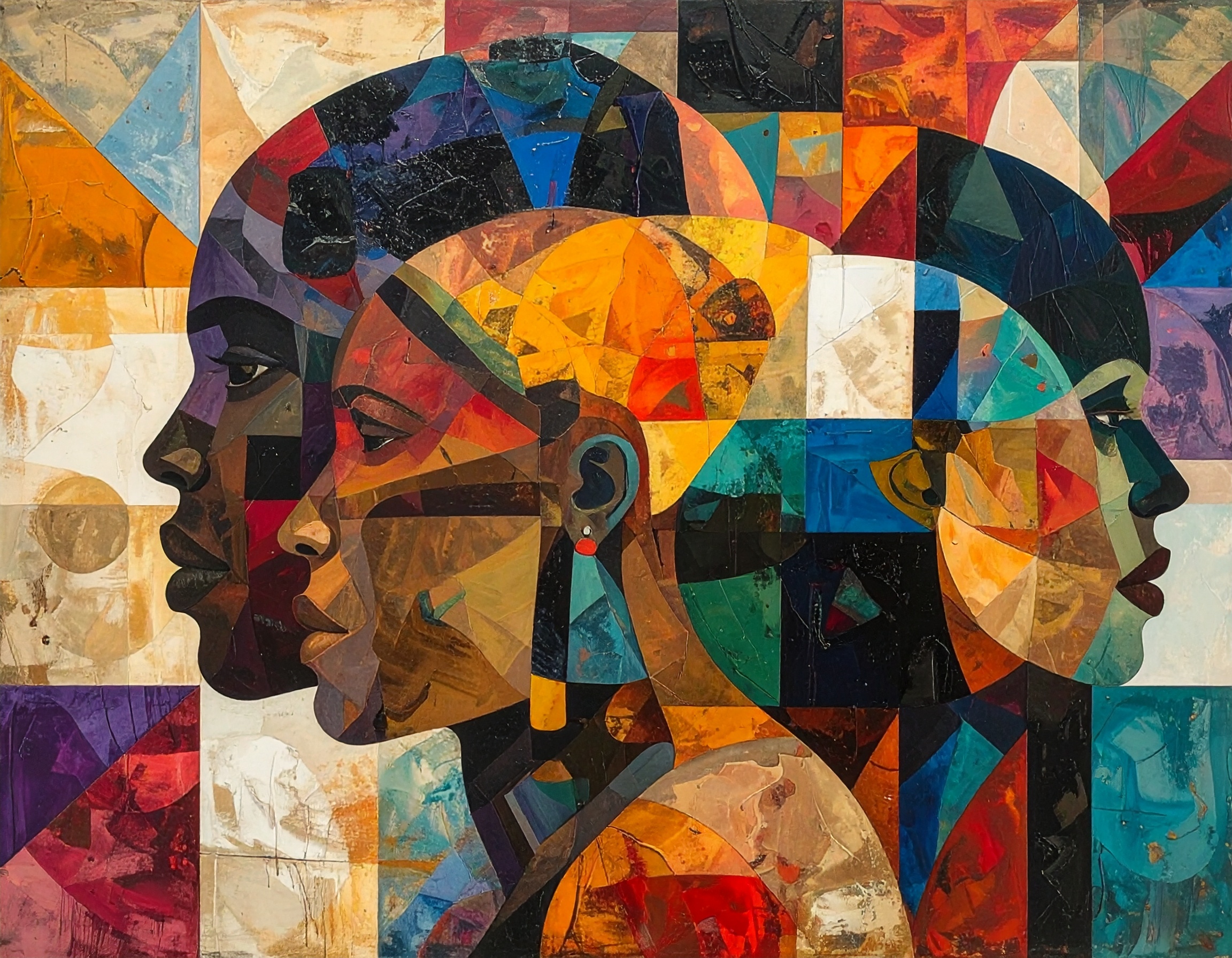
Multiculturalism as Media Theory in Contemporary American Creative Culture Abstract Multiculturalism in the United States is frequently discussed in terms of representation—whose identities appear in images, narratives, and institutional spaces. Yet this framing overlooks a deeper, more transformative development: multiculturalism is not merely a shift in social demographics or representational politics but a reconfiguration of Continue reading
-
Unhomely Homes: Dwelling as Dislocation in a Global Age

“We do not dwell because we have built, but we build and have built because we dwell.”— Martin Heidegger¹ At the root of Heidegger’s inquiry lies a rupture. His distinction between building and dwelling opens a chasm that continues to haunt architectural discourse: the ontological dissonance between shelter and home, between house and world. Yet Continue reading