
Global & Cultural Contexts
Centers diverse geographies, histories, and knowledge systems that challenge dominant narratives of architecture and urbanism. Highlights postcolonial, indigenous, and global south perspectives.
-
Decoding Deconstruction

Deconstruction entered architectural and design discourse as critique: a method for undoing the metaphysical assurances embedded in form, function, authorship, and meaning. In its migration from philosophy to design, it was frequently aestheticized—translated into fragmentation, disjunction, and formal instability—while its epistemic force was domesticated. Yet the philosophical conditions that made deconstruction necessary in the West Continue reading
-
Cultural Waterscapes of India: Symmetry and Sustainability—The Architectural Significance of Panna Meena ka Kund
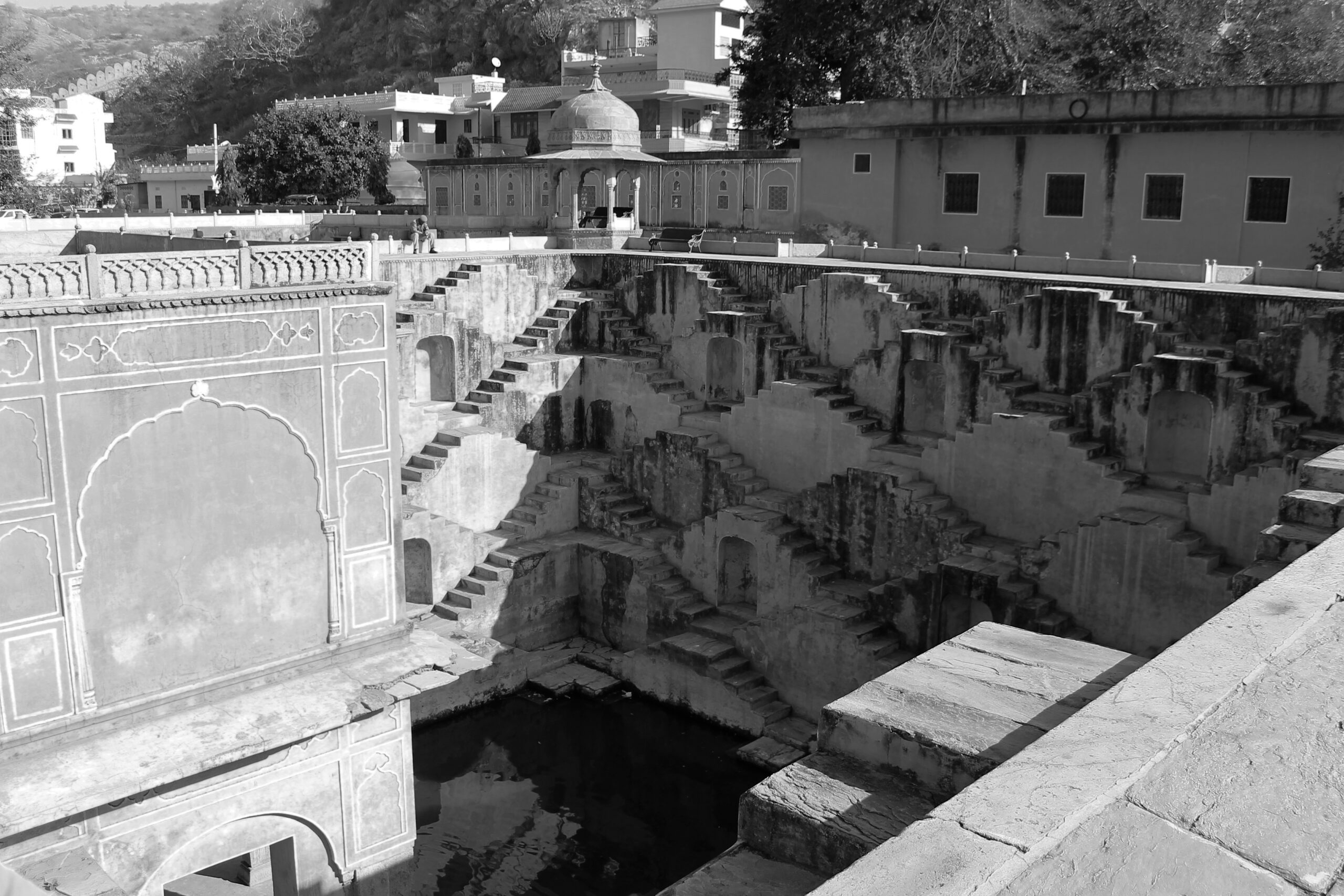
Panna Meena ka Kund is a historic sixteenth-century stepwell located near Amer Fort in Jaipur, Rajasthan. As an exemplary structure of early modern Rajput water architecture, it demonstrates the technological ingenuity and socio-cultural centrality of water management systems in semi-arid northwestern India. Architecturally, the kund is an eight-story, square-plan stepwell distinguished by its strikingly symmetrical, crisscrossing Continue reading
-
Aesthetic Neutrality as Ideological Evasion: On Arundhati Roy and the Politics of Silence at Berlinale

The debacle at this year’s Berlinale crystallizes a far deeper crisis in contemporary cultural institutions: an epistemological abdication disguised as neutrality. When Wim Wenders, serving as the festival’s jury president, intoned that filmmakers must “stay out of politics,” he did so not as an apolitical aesthete, but as a custodian of an ideologically saturated status quo that wants Continue reading
-
Rethinking the Brooklyn Marine Terminal
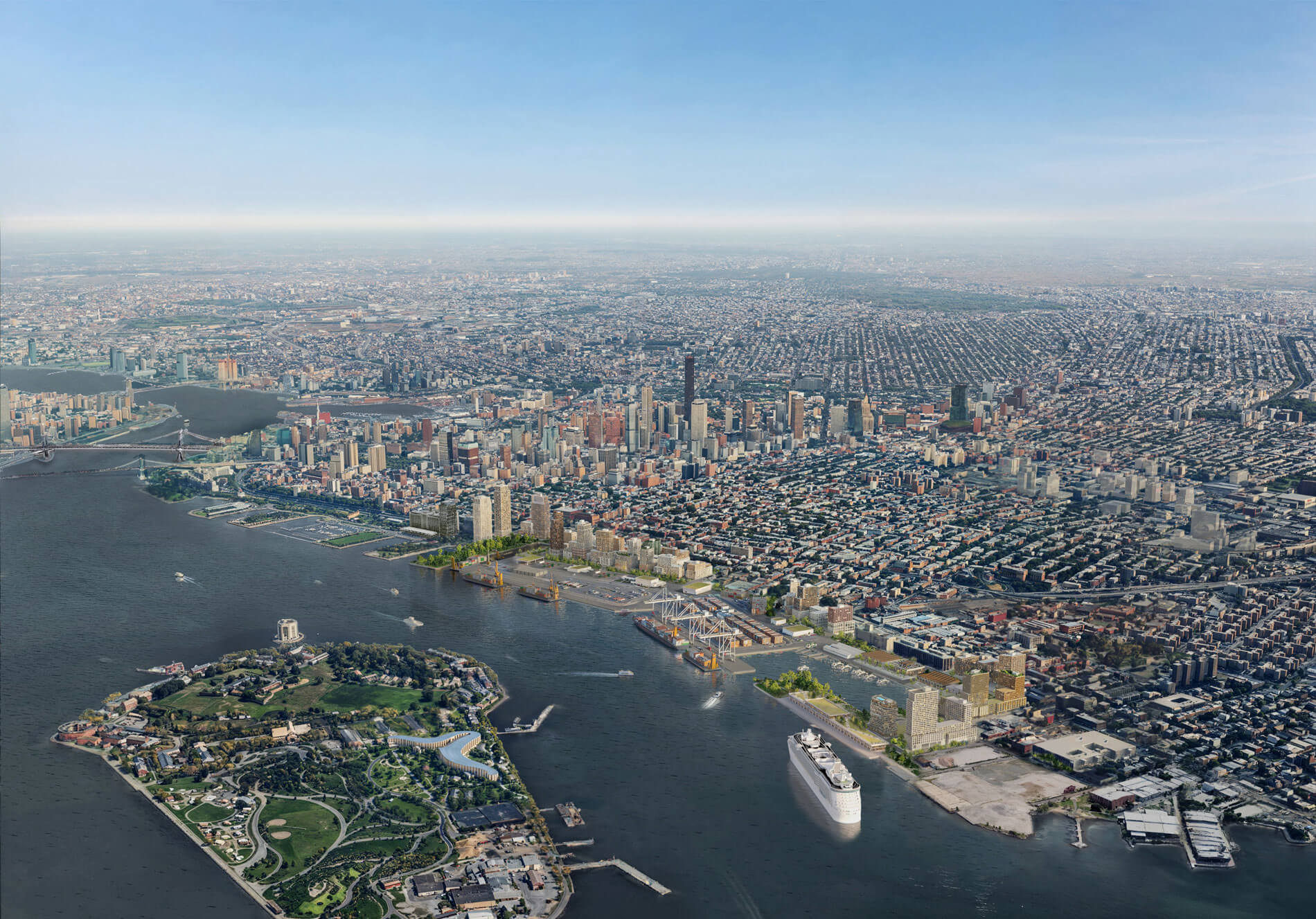
A Critique of the Vision Plan Abstract The recently approved Brooklyn Marine Terminal (BMT) Vision Plan represents one of New York City’s most ambitious waterfront redevelopment initiatives of the early twenty-first century. The plan integrates maritime modernization, mixed-income housing, public open space, and climate resilience strategies within a 122-acre site at the confluence of Red Continue reading
-
Unhomely Homes: Dwelling as Dislocation in a Global Age

“We do not dwell because we have built, but we build and have built because we dwell.”— Martin Heidegger¹ At the root of Heidegger’s inquiry lies a rupture. His distinction between building and dwelling opens a chasm that continues to haunt architectural discourse: the ontological dissonance between shelter and home, between house and world. Yet Continue reading