
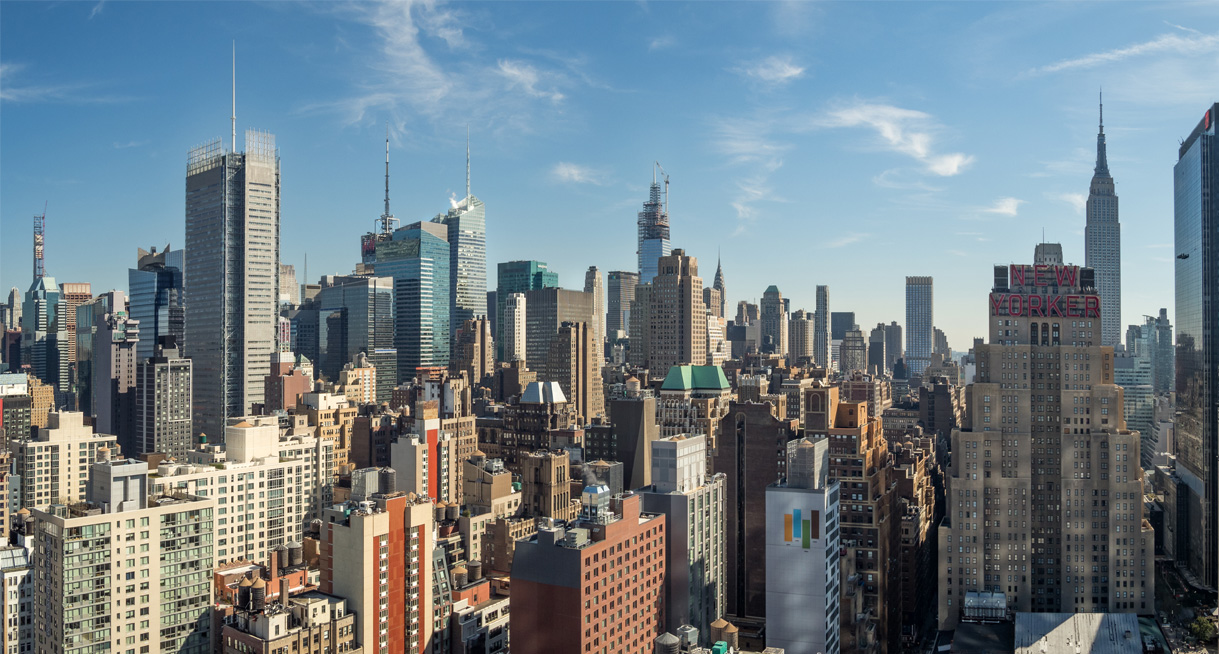
Affordability, Evictions, and Displacement in New York City
New York City faces a deepening housing crisis characterized by rising eviction filings, severe overcrowding, and escalating rent burdens. Despite being a city renowned for its density and diversity, access to affordable and secure housing remains elusive for a growing share of its population. This article examines the structural causes of housing unaffordability and displacement, with a particular focus on the intersection of urban design, zoning, and social justice. Drawing on data from the Coalition for the Homeless, Citizens Budget Commission, and contemporary planning scholarship, the article argues for design-driven and policy-integrated solutions that center equity and inclusion in housing development.
1. Introduction
Housing affordability remains one of the most pressing urban challenges in New York City. As of 2025, over half of renter households are rent-burdened — paying more than 30% of their income on housing (Citizens Budget Commission [CBC], 2024). Concurrently, eviction filings have surged since the expiration of pandemic-era moratoria, disproportionately impacting low-income communities of color (Coalition for the Homeless, 2024). Overcrowding, defined by the U.S. Department of Housing and Urban Development as more than one person per room, is endemic in immigrant and working-class neighborhoods.
These phenomena are not merely the product of market dynamics but are deeply rooted in spatial governance, land use policies, and design paradigms that privilege exclusivity and stifle affordability. This article explores how urban design — particularly zoning, density, building typologies, and public space — can be reimagined to mitigate eviction, displacement, and housing precarity.
2. Structural Causes of Housing Insecurity
2.1 Underproduction and Market Constraints
New York City has failed to produce sufficient housing to meet population and employment growth. Between 2010 and 2020, the city added 500,000 jobs but only 250,000 housing units (CBC, 2023). This supply-demand imbalance has inflated rents and home prices, pricing out low- and middle-income households.
Moreover, the majority of new housing construction caters to the luxury market. Despite the proliferation of high-rise developments in Manhattan and parts of Brooklyn, only 1 in 5 new units built in the last decade were deemed affordable to households earning below 80% of Area Median Income (Furman Center, 2023).
2.2 The Eviction Crisis
Evictions have become a structural mechanism of displacement. Data from the Coalition for the Homeless (2024) shows that eviction filings in the Bronx and parts of central Brooklyn are nearly triple the citywide average. Legal Services NYC (2024) notes that most tenants facing eviction lack legal representation, exacerbating vulnerability.
Evictions disproportionately affect Black and Latino tenants, particularly women-led households, reinforcing cycles of housing instability and intergenerational poverty (Desmond, 2016).
2.3 Zoning, Exclusion, and Spatial Injustice
New York City’s current zoning regime — largely inherited from the 1961 Zoning Resolution — reinforces patterns of spatial inequality. Nearly 68% of the city’s residential land is zoned for low-density, often single-family, housing (CBC, 2023). These areas, concentrated in wealthier neighborhoods of Queens, Staten Island, and parts of Brooklyn, effectively prohibit the development of multi-family housing or affordable units.
This exclusionary zoning not only restricts supply but also curtails economic and racial integration. Urban sociologists argue that such land use policies function as “invisible walls,” perpetuating residential segregation and unequal access to resources such as high-performing schools, green space, and transit (Rothstein, 2017).
4. Urban Design as a Lever for Equity
Design is not neutral. The spatial arrangement of buildings, streets, and public spaces directly shapes social and economic outcomes. Reimagining urban design as a tool for affordability and inclusion requires three key interventions:
4.1 Increasing Density Through Inclusionary Zoning
Upzoning in transit-accessible and amenity-rich neighborhoods can enable the construction of mid-rise and mixed-income housing. Programs such as Mandatory Inclusionary Housing (MIH), if strengthened, can require developers to set aside a higher proportion of units for deeply affordable housing.
International models — such as Vienna’s social housing system or Tokyo’s permissive zoning — demonstrate how density can coexist with affordability and livability when supported by appropriate regulation and infrastructure (Tombs, 2021; Sorensen, 2018).
4.2 Diversifying Building Typologies
Legalizing accessory dwelling units (ADUs), backyard cottages, and small-scale multi-family housing (i.e., fourplexes and sixplexes) across all neighborhoods can expand affordable housing without radically altering neighborhood character. These “gentle density” strategies are particularly effective in addressing overcrowding and intergenerational housing needs (Parolek, 2020).
4.3 Investing in Public and Social Infrastructure
Dense development must be matched with investments in public goods: schools, parks, libraries, and transportation. The “complete neighborhood” model — pioneered in Portland and adopted in parts of NYC — emphasizes walkability and access to services, enhancing quality of life and reducing the socioeconomic costs of displacement (Jacobs, 1961; Gehl, 2011).
5. Towards a Justice-Oriented Housing Policy
Housing must be understood not only as shelter or a commodity, but as a foundation for human dignity and civic belonging. Justice-oriented design requires:
Anti-displacement policies, such as right-to-remain provisions and community land trusts.
Participatory planning processes that empower tenants and historically marginalized communities.
Cross-sector collaboration between designers, policymakers, community organizers, and legal advocates.
As the Coalition for the Homeless (2024) argues, permanent housing — not shelters — must be the core of any response to homelessness. Urban design must align with this principle by producing dignified, stable, and affordable living environments.
6. Conclusion
The crises of affordability, eviction, and displacement in New York City are not accidental — they are the outcomes of decades of exclusionary policy and spatial inequity. But they are also reversible. Urban design and zoning reform, when guided by principles of equity, can be powerful instruments for creating a more just city.
Designing for affordability is not merely a technical challenge; it is a moral imperative. By aligning housing policy with inclusive urban design, New York can begin to undo the structural injustices of its past and ensure that all residents — not just the privileged few — have the right to remain, to thrive, and to call the city home.
References
- Citizens Budget Commission. (2023). Zoned Out: How New York City’s Zoning Rules Limit Housing. Retrieved from cbcny.org
- Citizens Budget Commission. (2024). Housing NYC: Production, Affordability, and Policy Gaps.
- Coalition for the Homeless. (2024). State of the Homeless 2024. Retrieved from coalitionforthehomeless.org
- Desmond, M. (2016). Evicted: Poverty and Profit in the American City. Crown Publishing.
- Furman Center. (2023). State of New York City’s Housing and Neighborhoods. NYU Furman Center.
- Gehl, J. (2011). Cities for People. Island Press.
- Jacobs, J. (1961). The Death and Life of Great American Cities. Random House.
- Legal Services NYC. (2024). Tenant Eviction Defense Report 2023–2024.
- Parolek, D. (2020). Missing Middle Housing: Thinking Big and Building Small to Respond to Today’s Housing Crisis. Island Press.
- Rothstein, R. (2017). The Color of Law: A Forgotten History of How Our Government Segregated America. Liveright.
- Sorensen, A. (2018). Urban Planning and Real Estate Development in Tokyo: A Framework for Understanding Tokyo’s Urban Transformation. Routledge.
- Tombs, R. (2021). The Vienna Model: Housing for the Twenty-First Century. Housing Futures Journal, 12(1), 25–38.

Leave a Reply