
Global South
Architecture and urbanism in the Global South. Highlights informality, postcolonial planning, community resilience, and innovation from underrepresented geographies.
-
Decoding Deconstruction

Deconstruction entered architectural and design discourse as critique: a method for undoing the metaphysical assurances embedded in form, function, authorship, and meaning. In its migration from philosophy to design, it was frequently aestheticized—translated into fragmentation, disjunction, and formal instability—while its epistemic force was domesticated. Yet the philosophical conditions that made deconstruction necessary in the West Continue reading
-
Cultural Waterscapes of India: Symmetry and Sustainability—The Architectural Significance of Panna Meena ka Kund
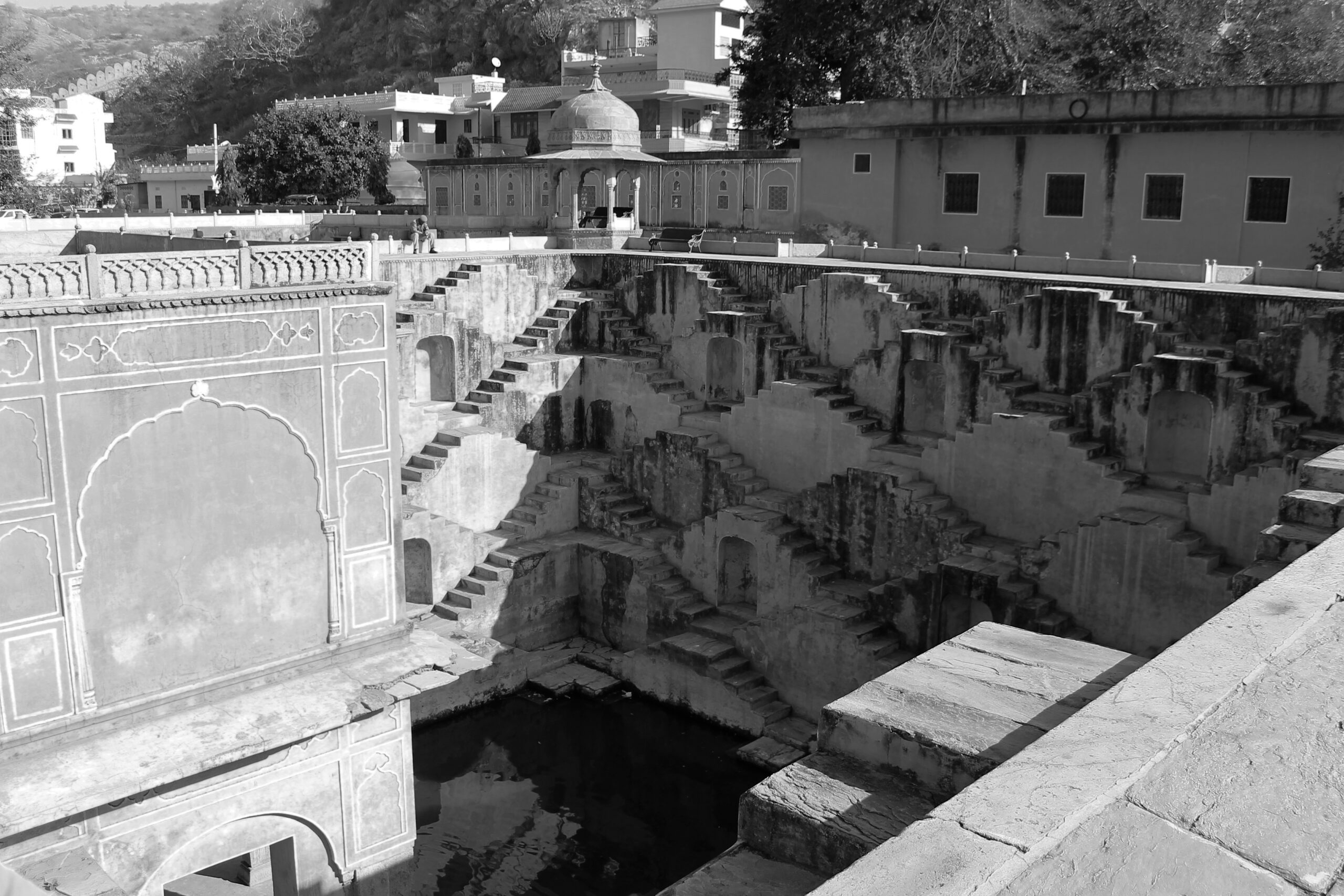
Panna Meena ka Kund is a historic sixteenth-century stepwell located near Amer Fort in Jaipur, Rajasthan. As an exemplary structure of early modern Rajput water architecture, it demonstrates the technological ingenuity and socio-cultural centrality of water management systems in semi-arid northwestern India. Architecturally, the kund is an eight-story, square-plan stepwell distinguished by its strikingly symmetrical, crisscrossing Continue reading
-
Aesthetic Neutrality as Ideological Evasion: On Arundhati Roy and the Politics of Silence at Berlinale

The debacle at this year’s Berlinale crystallizes a far deeper crisis in contemporary cultural institutions: an epistemological abdication disguised as neutrality. When Wim Wenders, serving as the festival’s jury president, intoned that filmmakers must “stay out of politics,” he did so not as an apolitical aesthete, but as a custodian of an ideologically saturated status quo that wants Continue reading