
Architectural Theory
Engages with design philosophies, spatial ontologies, and conceptual frameworks shaping architecture. From phenomenology to postmodernism, this category unpacks the ideas behind the built environment.
-
Decoding Deconstruction

Deconstruction entered architectural and design discourse as critique: a method for undoing the metaphysical assurances embedded in form, function, authorship, and meaning. In its migration from philosophy to design, it was frequently aestheticized—translated into fragmentation, disjunction, and formal instability—while its epistemic force was domesticated. Yet the philosophical conditions that made deconstruction necessary in the West Continue reading
-
Mapping Memories: Un-Erased Architectures and Invisible Geographies in India
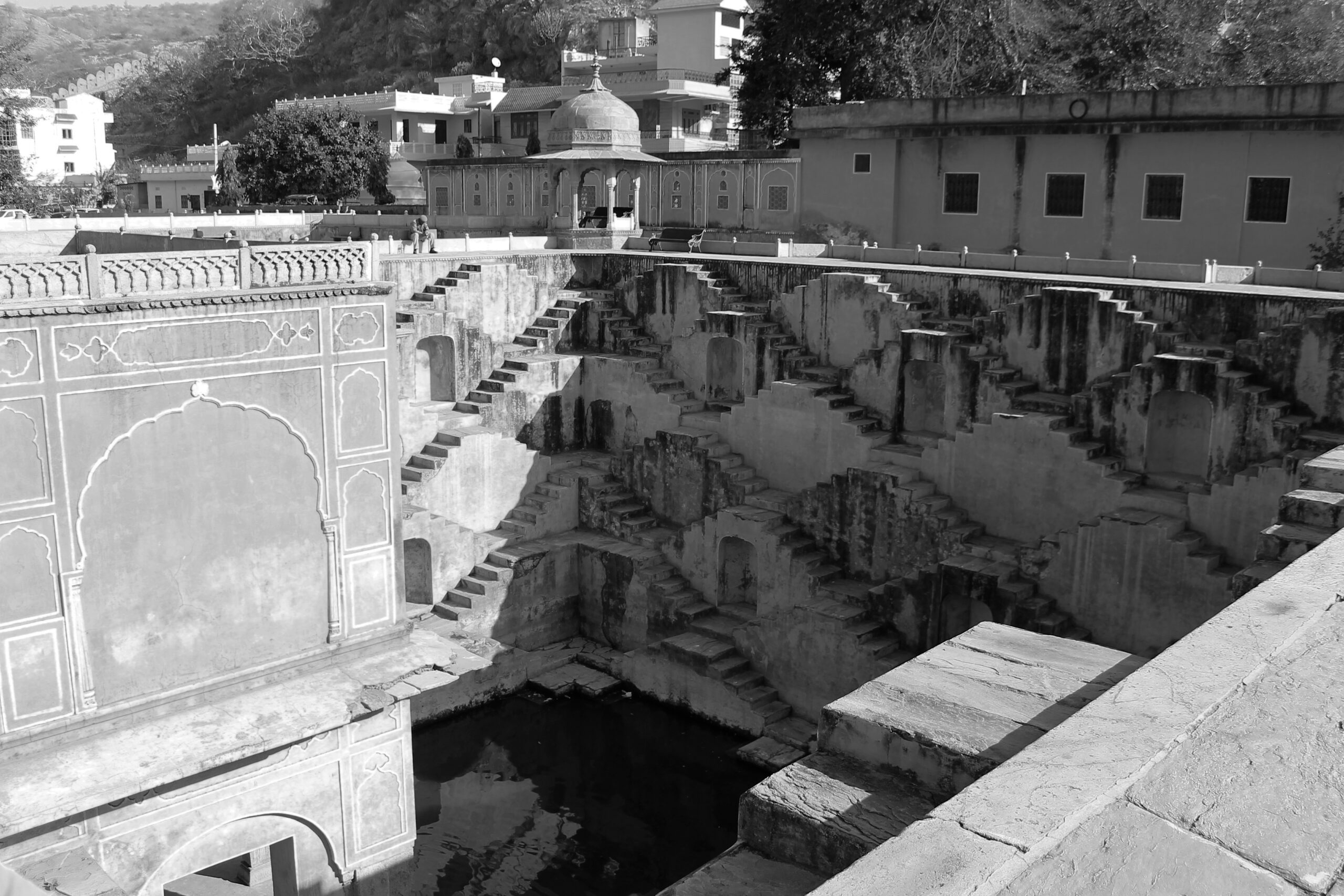
Architectural history in India has long been shaped by a selective cartography—one that privileges monumental, imperial, and easily legible structures while marginalizing sites that resist dominant historical narratives. Beyond the canon of Mughal mausolea, Rajput forts, and colonial civic buildings exists a dense substratum of architectural production that remains physically present yet culturally obscured. These Continue reading
-
Method as World-Making: Architecture Between Disciplines, Intuition, and Systems
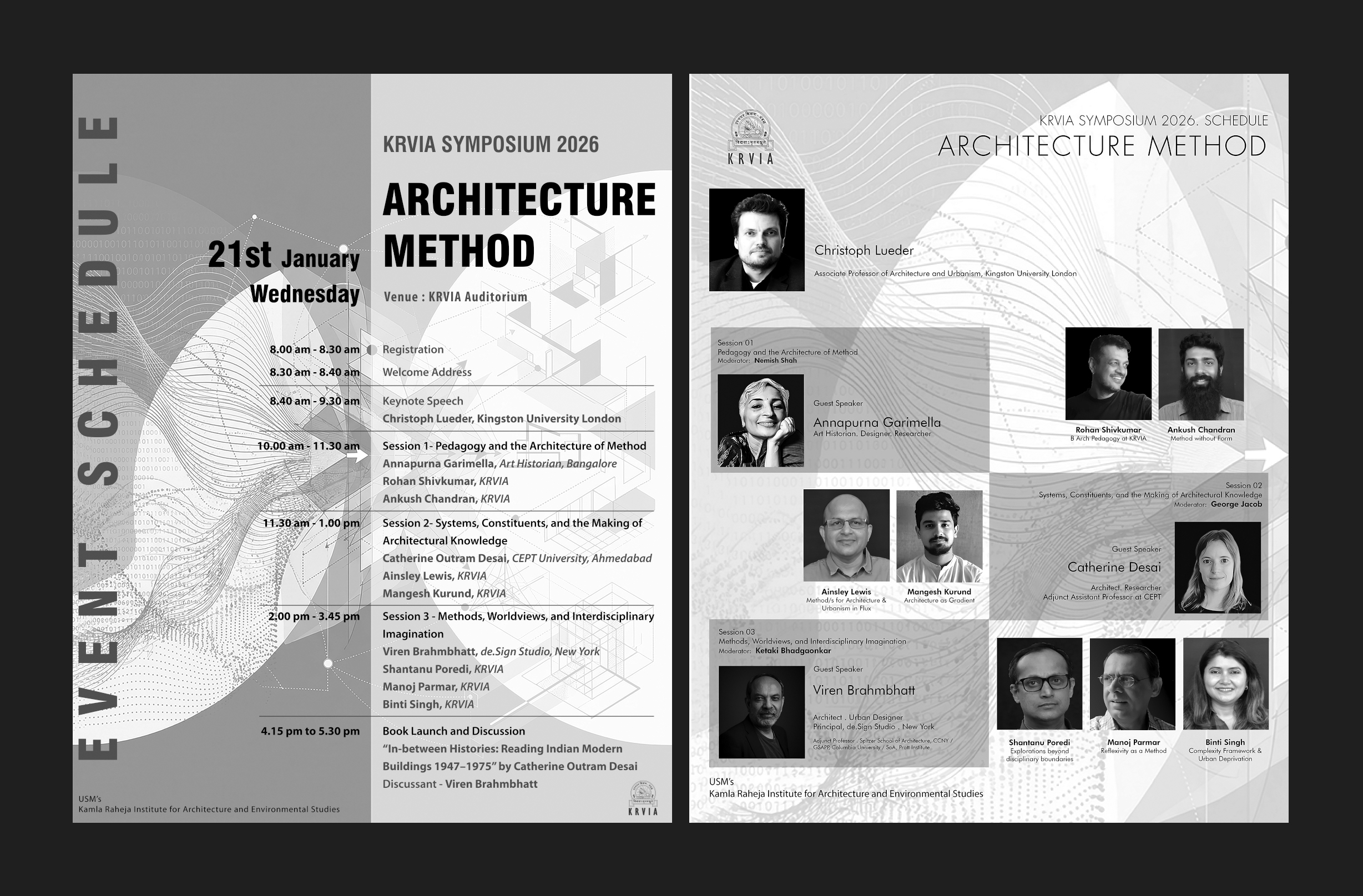
This symposium is positioned within pedagogy, and rightly so. But pedagogy does not exist apart from practice. The methods we teach become the defaults of professional action. What is rehearsed in the studio is what later shapes decisions, exclusions, and responsibilities in the world. To question architectural method pedagogically is already to intervene in practice. Continue reading
-
Ruins, Power, and the Architectural Imagination: Toward a Critical Theory of Preservation
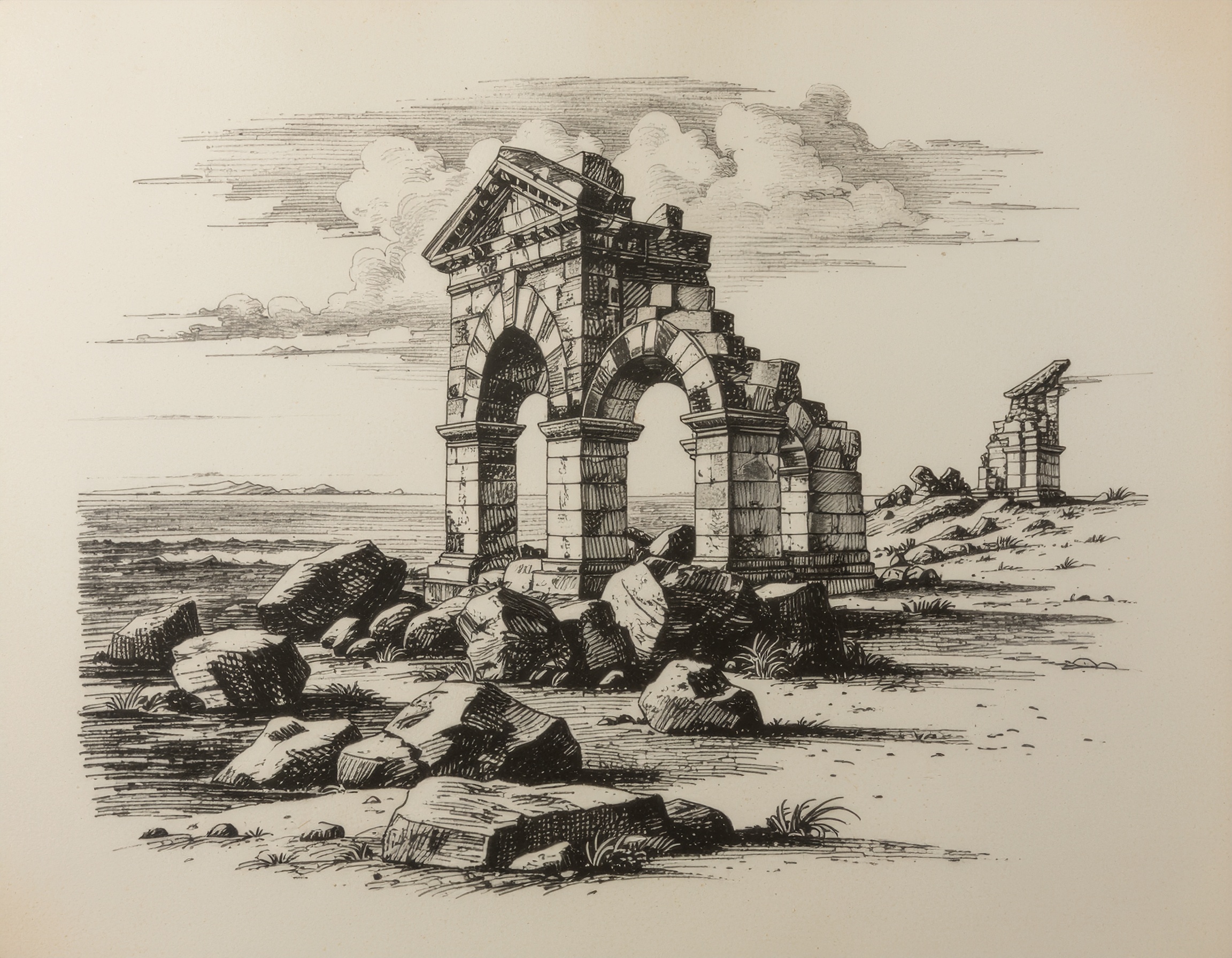
Ruins have long served as generative objects for intellectual reflection. As architectural remnants that mark temporal rupture, they exist in an ambiguous interval between persistence and disappearance. Their material incompleteness has historically encouraged meditations on theology, on the rise and fall of political orders, and on aesthetic theories of fragmentation, entropy, and the sublime. Yet Continue reading
-
Unhomely Homes: Dwelling as Dislocation in a Global Age

“We do not dwell because we have built, but we build and have built because we dwell.”— Martin Heidegger¹ At the root of Heidegger’s inquiry lies a rupture. His distinction between building and dwelling opens a chasm that continues to haunt architectural discourse: the ontological dissonance between shelter and home, between house and world. Yet Continue reading